
There's a real difference between a job done and a job done right — and most homeowners learn that difference the hard way at least once. A TV mount that wasn't anchored into studs. A closet system that looks slightly off because the shelves weren't run through a level. A drywall patch that's visible every time morning light hits the wall at an angle. These aren't catastrophic failures, but they're reminders that professional handyman services in Oakville are about more than just showing up with tools.
For homeowners across Oakville, the question isn't usually whether to call for help — it's who to call. The jobs that accumulate in any lived-in home are real: furniture that needs assembling properly, sliding doors that have come off their hardware, a TV that needs mounting at the right height and anchored correctly, appliances that have started behaving oddly. These tasks sit at the edge of most homeowners' DIY comfort zone — manageable in theory, but more involved in practice than they appear.
Handyman Oakville Ontario approaches this work the way it should be approached — methodically, with the right tools, and with enough practical experience to adjust when a home doesn't cooperate with the plan. That combination is what professional actually means in this context.
Emergency Appliance Repair Oakville | Fast Local Help
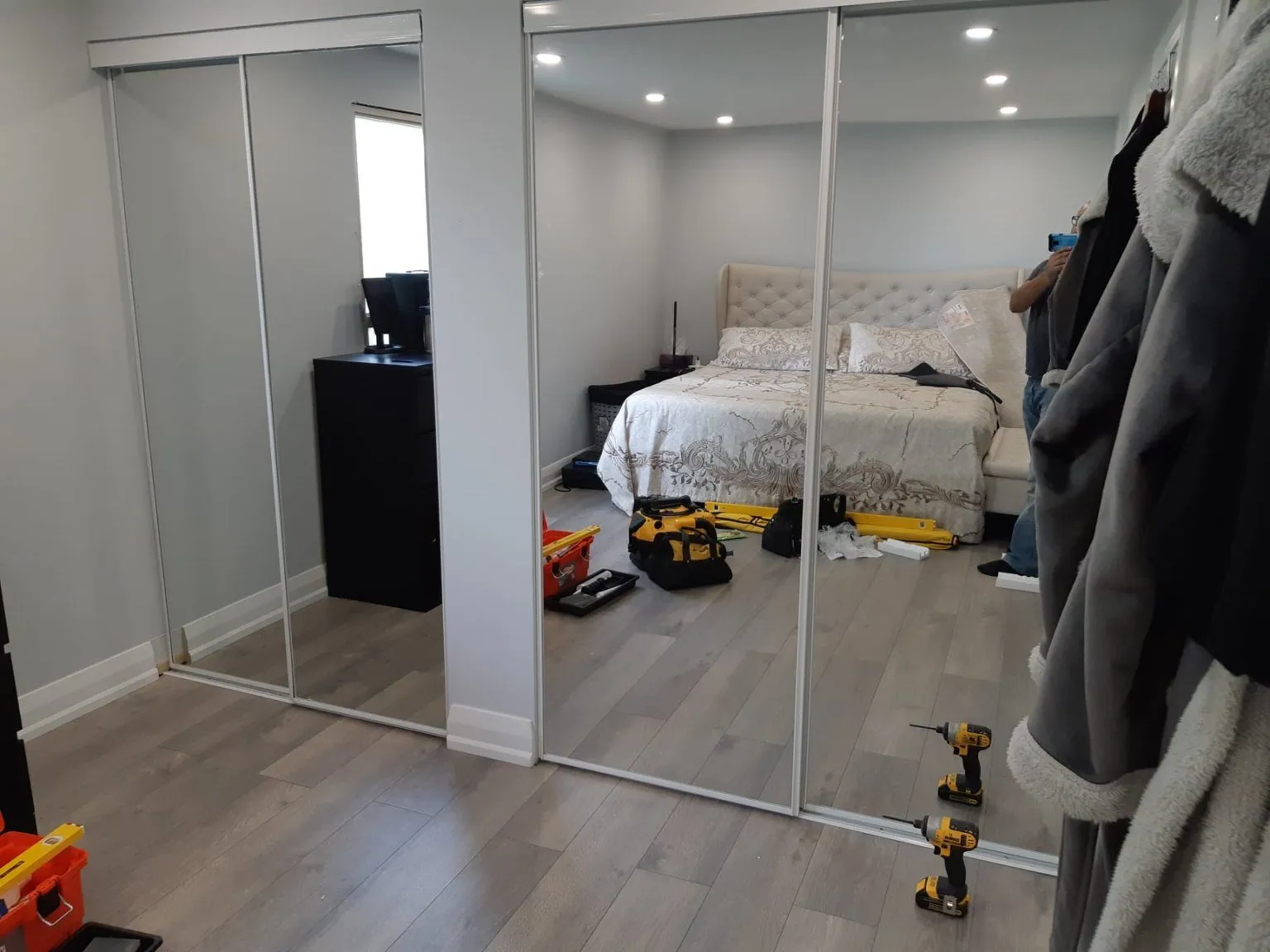
Professional isn't a marketing word — it describes a specific approach to work. In the context of home repair and installation, it means measuring before drilling, understanding what's inside a wall before anchoring into it, selecting the right hardware for the actual weight and wall type involved, and testing the result before packing up and leaving.
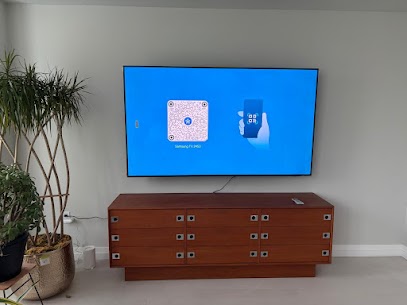
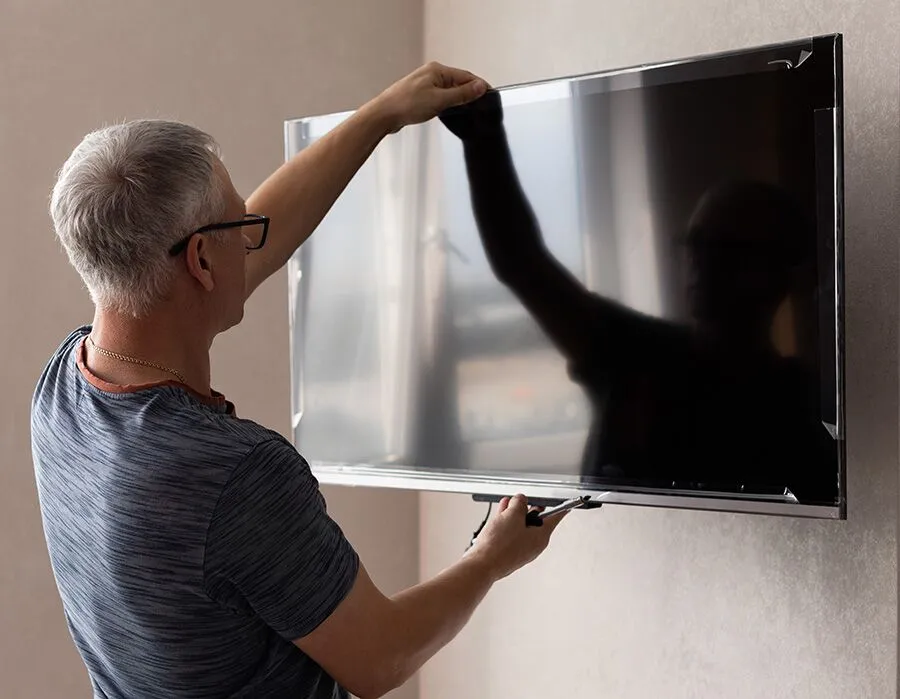
Preparation is the part most homeowners don't see. Before a TV mount goes into the wall, a professional uses a stud finder to locate the framing, marks the stud edges precisely, and verifies the bracket position relative to the actual viewing height — not the height that seemed right at a glance. That preparation takes an extra 10 to 15 minutes and is what separates a mount that's been solid for five years from one that pulled away from the wall.
For furniture assembly, professionalism means reading the instructions completely before starting — not assembling while reading, which is how components get installed backwards or fasteners get missed. It also means using the correct tools for the specific hardware rather than improvising with whatever's on hand. Cam locks that are overtightened crack the panel. Ones that are undertightened let the joint flex. The right torque comes from experience, not from guessing.
Closet installations require a level and a measuring tape at every stage, not just at the beginning. A run of shelving that starts level but isn't checked at each bracket tends to drift. By the time the last section is installed, the cumulative drift is obvious to anyone looking at the closet from the doorway. Catching and correcting it in stages is what professional installation produces.
Material selection is another dimension of professionalism that rarely gets discussed but consistently affects outcomes. Choosing the right drywall anchor for the wall material and load, selecting a mounting bracket that's rated for the screen weight, using hinges that match the overlay and finish of the existing cabinet doors — these decisions require knowing what the options are and why each one is appropriate in a given situation.
Communication is also part of the professional picture. A homeowner who describes what they want should receive a clear explanation of what the job involves, what variables might change the approach, and what the finished result will look like. That conversation before the work starts prevents misunderstandings and produces outcomes that match what the homeowner actually had in mind.
The range of work that skilled residential handyman services cover is wider than most homeowners initially think. It's not limited to small repairs — it includes full installations, system setups, and ongoing maintenance tasks that make a home function better over time.
TV mounting is one of the most consistent service requests, and one where the difference between professional and amateur work is immediately apparent. A 65-inch screen mounted at the wrong height, tilted slightly because the bracket wasn't leveled, or secured into drywall rather than studs is a problem that gets more obvious every time you sit in front of it. Getting it right means choosing a bracket appropriate for the screen's weight and VESA pattern, confirming stud locations with a stud finder, and setting the tilt and height to match the actual viewing position in the room.
Custom closet solutions are a meaningful quality-of-life upgrade in any home where builder-grade shelving has been frustrating for years. A properly installed system — with double hanging rails for shirts and jackets, adjustable shelving, dedicated shoe storage, and a top shelf anchored securely — changes how a bedroom functions. The installation requires careful layout planning, stud location for the vertical uprights, and level runs throughout so the finished system looks intentional rather than improvised.
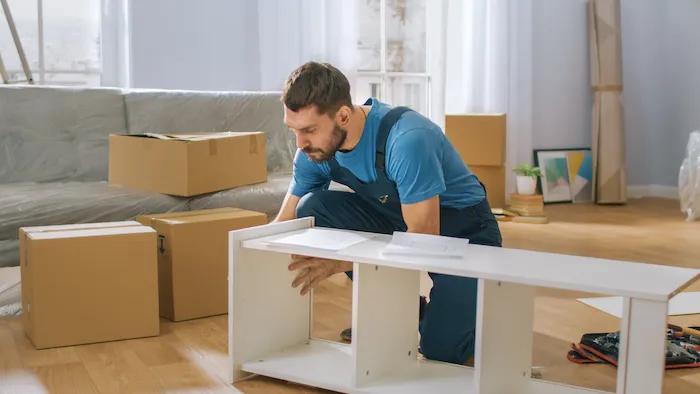
Furniture assembly is practical, time-consuming, and easy to get wrong in ways that only become obvious weeks later. A wobbly bookcase or a bed frame that creaks at the joints was almost always assembled with a missed step or a fastener that wasn't fully seated. Professional assembly means reading the full instructions before starting, installing components in the correct sequence, and testing the finished piece for stability before considering the job done.
Sliding mirror door installation and repair involves more variables than most people expect. The track width, roller diameter, door weight, and bottom guide style all need to be compatible. A door that's sliding on the wrong rollers wears out the track, and a door that's installed at the wrong height will drag on the bottom guide or lift off it entirely. When hardware needs replacement, matching the existing system is essential — mixing components from different manufacturers almost never works cleanly.
Home appliance repair at the handyman level covers the practical, common-sense issues that don't require a factory technician. A washing machine that's vibrating across the laundry room floor needs its leveling feet adjusted — a 20-minute job. A dryer that takes two full cycles to dry a standard load probably has a blocked vent line — clearing it restores function and eliminates a genuine fire risk. A fridge with a torn door gasket loses efficiency until the gasket is replaced. These are jobs that extend appliance life and restore performance without the cost of a specialist call-out.
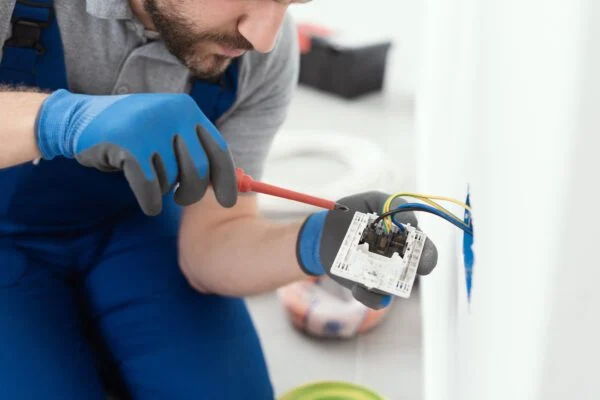
Electrical upgrades at the level a skilled handyman handles — replacing standard outlets with USB charging models, installing new light fixtures, swapping ceiling fans, or adding a dimmer switch — are a consistent category in Oakville homes. For work involving electricity, many homeowners prefer to have someone experienced and insured handle it rather than attempting it themselves, and that preference reflects good judgment.
The case for professional installation isn't abstract — it's visible in the result and in how long the result lasts. A shelf that was anchored into studs carries real weight for years. One anchored into drywall alone eventually fails. The difference doesn't show up the day of installation; it shows up when the shelf is under load.
In most Oakville homes we work in, the jobs that need redoing were done either by a previous owner, a tenant, or a well-meaning DIY attempt that didn't account for a variable that wasn't obvious at the start. A TV mount installed by someone who didn't realize the wall had an unusual stud spacing. A closet system that used the provided plastic anchors rather than locating studs. Shelving brackets that were placed where they were convenient rather than where the studs actually were.
The practical cost of redoing a job is always higher than the cost of doing it correctly the first time. A TV that pulls away from the wall because the mount failed needs a wall repair before a new mount can go in. A closet system that comes loose under load leaves damage at every anchor point that needs to be addressed before reinstallation. Getting it right initially avoids this entirely.
For rental properties in Oakville and Burlington, professional installation has a direct financial dimension. Fixtures, shelving, and hardware installed properly last through multiple tenancy cycles without needing attention. Ones installed poorly become maintenance calls during the tenancy or repair items at the end of it. Landlords and property managers who invest in correct initial installation spend less on ongoing maintenance over the life of the property.
Safety is a specific area where the professional approach matters beyond aesthetics and longevity. A TV mount that fails drops a 40-kilogram screen, potentially onto furniture, pets, or people. Closet shelving loaded with heavy items that pulls from the wall causes real damage and real risk. Electrical work done without proper attention to the existing wiring can create fire or shock hazards that aren't immediately visible. The professional approach to each of these jobs includes understanding the safety dimension, not just the functional one.
For homeowners preparing a property for sale in a market like Oakville's — where buyer expectations are high and inspectors are thorough — the condition of installations matters. A sliding door that runs smoothly, a TV wall unit that's plumb and securely anchored, shelving that doesn't shift when you push on it: these are signs that a home has been maintained and improved with care, and they're noticed.
Oakville's housing stock is genuinely diverse — from heritage properties near the waterfront to large detached homes in Glen Abbey, townhome communities near Bronte Road, and modern condo towers in Uptown Core. The same professional approach applies across all of these, but what it looks like in practice changes with the property type.
Detached homes in established Oakville neighbourhoods like River Oaks and College Park often have two or three decades of accumulated repairs and modifications. What's inside a wall in a home built in the 1980s may not follow modern construction standards — non-standard stud spacing, previous patches that weren't done cleanly, wiring that's been extended or modified over the years. Working in these homes requires checking assumptions rather than taking them for granted.
In older properties near Lakeshore Road and Old Oakville, plaster walls are still common. Anchoring into plaster requires a different technique than drywall — a pilot hole drilled at low speed with the right bit to prevent cracking, and toggle-style anchors designed for the wall material. An installer who treats a plaster wall like drywall causes damage that requires additional repair before the installation can proceed.
Condo installations in buildings near the QEW or in Kerr Village present a different set of constraints. Shared walls may be concrete, which requires hammer-drill capability and expansion anchors rated for masonry. Some condo buildings restrict drilling into shared walls altogether, which means freestanding closet systems or ceiling-anchored solutions are the appropriate approach. Building rules need to be understood before work begins.
Townhomes — particularly in the developments that have grown up along Dundas Street and Upper Middle Road over the past decade — typically have newer construction but builder-grade finishes that benefit from upgrading. Custom closet systems, properly mounted TVs, assembled furniture, and refreshed hardware make a significant difference in how these homes function for their owners. The construction is standardized, which makes planning easier, but the work still needs to be done correctly.

Landlords managing rental properties in areas near Sheridan College or along Dundas Street have a specific interest in durable installations. Furniture that will be used daily by tenants, shelving that will hold real loads, doors that will be opened and closed hundreds of times — the standard of installation needs to account for the intensity of use. A residential repair visit that focuses on durability and correct installation repays itself over the tenancy period.
For property managers coordinating work across multiple Oakville units, the practical requirement is reliability — someone who arrives when scheduled, works through the agreed list efficiently, and communicates clearly about what was done and what, if anything, needs further attention. That reliability is the professional dimension that makes ongoing service relationships work.
Most homeowners have a drill, a hammer, and a measuring tape. What separates professional home repair and installation from a capable DIY attempt isn't usually a single exotic tool — it's the combination of the right tools used correctly at every step.
A stud finder is standard, but using it correctly requires understanding its lag — the sensor detects the edge of a stud slightly after the unit passes over it, which means marking the centre of a stud requires detecting both edges. An installer who marks on the first signal rather than finding both edges consistently anchors brackets into drywall instead of framing.
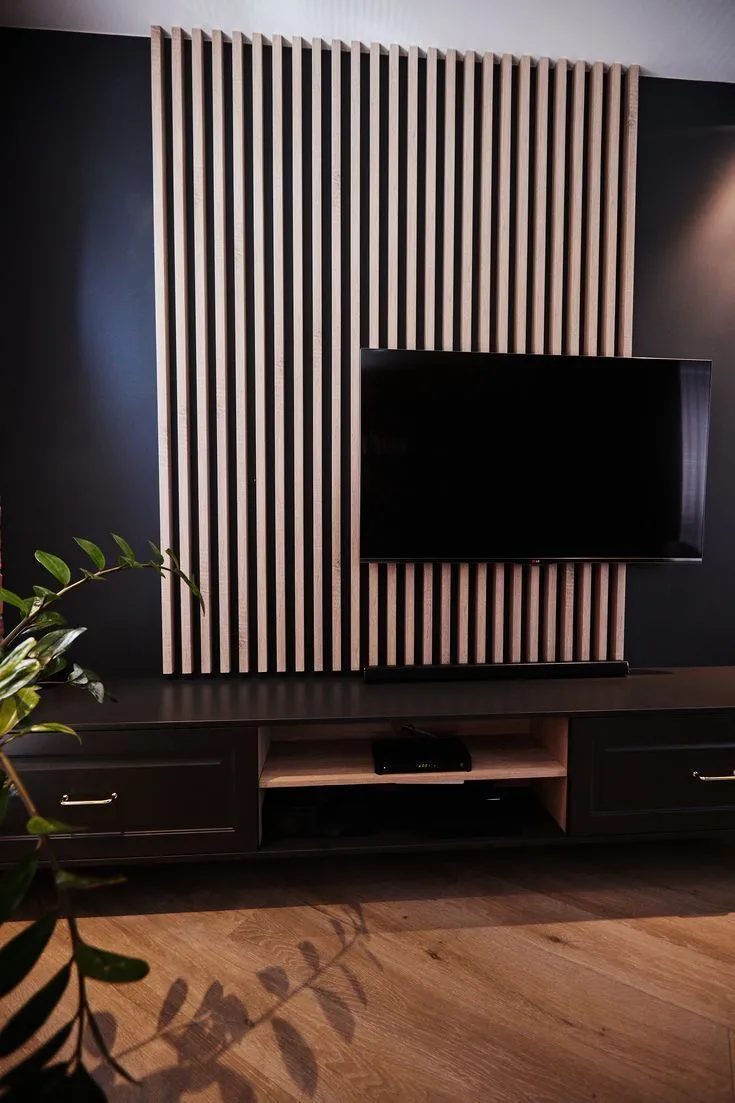
A proper level — not a phone app — is essential for anything that needs to be straight. The magnetic level that sticks to a bracket, a longer torpedo level for shelving runs, and a laser level for TV wall unit installations across wider spans are different tools for different scales of work. Using the right one at each stage produces results that look deliberate.
Drywall anchors are available in more than a dozen distinct types, and the selection matters. A plastic expansion anchor is fine for a picture frame. A toggle bolt is right for a heavy shelf bracket where a stud isn't available. A snap toggle works in situations where the toggle needs to be removable. Using the wrong anchor for the load is one of the most common causes of installation failure, and it's entirely preventable.
Cabinet hardware — hinges, drawer slides, handles, and catches — comes in enough variety that matching an existing fitting requires attention. The overlay amount, the cup size, the arm style, and the finish all need to match for a replacement hinge to work and look correct. Bringing the old hardware to the supplier to match is more reliable than trying to describe it from memory.
For sliding door hardware, tracks and rollers need to be matched by system and by door weight. A roller designed for a lightweight bi-fold door isn't rated for a full-length mirrored panel. The track width and the roller diameter have to be compatible. Getting these specifications right before replacing hardware is what produces a door that runs smoothly after the repair rather than one that still doesn't feel right.
The right drill bit for the wall material makes a substantial difference in finish quality. Standard twist bits work in drywall. Masonry bits are required for concrete and brick. Spade bits or hole saws are needed for cable management pass-throughs. A professional carries the range and uses the right one for the surface, which means the hole goes in cleanly the first time and the wall isn't damaged in the process.
Oakville is a community with high standards for how homes look and function — and that standard extends to how repair and installation work is done. Homeowners here tend to be engaged with their properties, attentive to condition, and aware of how maintenance affects long-term value.
The Greater Toronto Area housing market, including Oakville, has placed consistent upward pressure on home values over the past decade. In that context, a home's condition is both a quality-of-life issue and a financial one. Homes that have been maintained and improved with care hold their value differently than homes where maintenance has been deferred and installations were done to the minimum acceptable standard.
In the detached home market across Glen Abbey and Iroquois Ridge North, where properties routinely transact at significant values, the return on professional installation and maintenance is measurable. A buyer who sees a home that's been maintained carefully — with properly installed closet systems, correctly mounted media equipment, sound door hardware, and fresh caulking throughout — forms a different impression than one who sees a home where the maintenance was approached casually.
For the condo market in Uptown Core and along the Lakeshore corridor, the interior fit and finish of a unit is the primary differentiator. Two units in the same building with the same floor plan show very differently based on the quality of the installations and updates inside. A professional-grade closet system, a clean and correctly positioned TV mount, and hardware that functions the way it was designed to function communicate that the unit has been cared for.
Burlington homeowners in communities adjacent to Oakville — particularly along Winston Churchill Boulevard and near Burloak Drive — share the same housing market dynamics. The expectations for condition and finish are similar, and skilled residential repair support that covers both communities serves that market practically.
For Halton Region broadly, professional home service that handles the full range of residential installation and repair — not just a narrow specialty — fills a consistent need. The homes here are diverse in age and construction, the owners are engaged, and the standard of work expected reflects that engagement.
Some appliance problems can wait a few days. Others cannot. A fridge that's stopped cooling with a full load of groceries inside, a washing machine flooding a laundry room floor, or a dryer emitting a burning smell mid-cycle — these are genuine household emergencies that need a response today, not a booking for next Thursday. Emergency appliance repair in Oakville is about exactly that: getting real help quickly, from someone who knows what they're doing, before a manageable problem turns into a costly one.
The difficulty most Oakville homeowners face in an appliance emergency is the same one that makes non-emergency repairs frustrating: large service networks have long scheduling queues, manufacturer warranty lines aren't built for urgency, and the window between a fridge going warm and food becoming unsafe is measured in hours, not days. Local appliance repair support that can respond the same day closes that gap in a way that national chains simply can't.
Handyman Oakville Ontario provides home appliance repair services for homeowners, condo owners, landlords, and property managers across Oakville and the surrounding Halton Region. When an appliance situation tips from inconvenient into urgent, having a local contact who can prioritize your call and arrive prepared makes the difference between a stressful day and a resolved one.
Explore our latest resources, guides, and helpful information.