Laminate floors have an engineered wood core layer, making them more resistant to scratches, stains, and moisture. The availability of various finishes allows homeowners to achieve a natural wood look without the high price tag. Additionally, laminate flooring is eco-friendly, making it a popular choice among environmentally conscious consumers.
Laminate flooring is known for being highly resistant to wear and tear, making it a popular choice for households with children or pets. Its ability to withstand scratches, impacts, and moisture damage sets it apart from many other flooring materials, ensuring a long-lasting and low-maintenance flooring option for your home.
Resin coatingLonger lasting than hardwood, vinyl, or hard surfaces Virtually resistant to pets, kids, and high heelsStain, fade, and moisture-resistant
- Confirm accurate measurements: Precise measurements are essential to avoid wastage and guarantee a perfect fit.
The flooring should be measured and cut with precision.
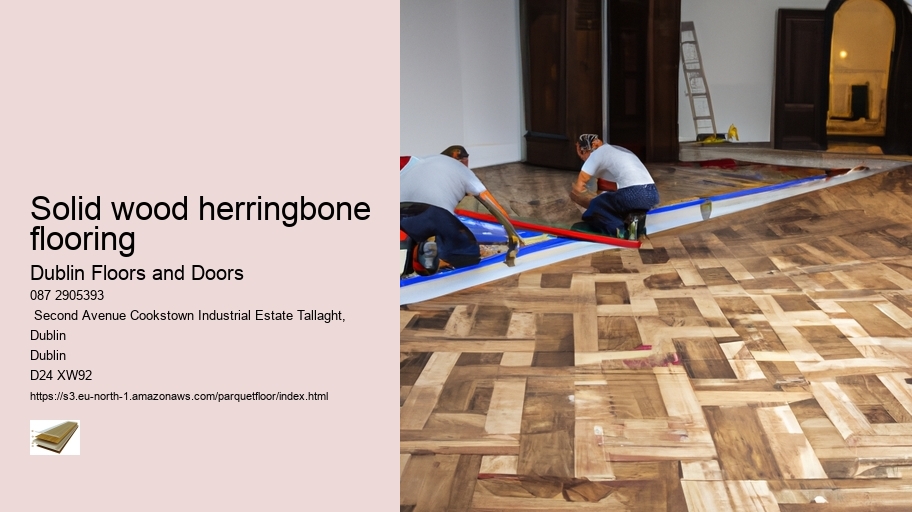
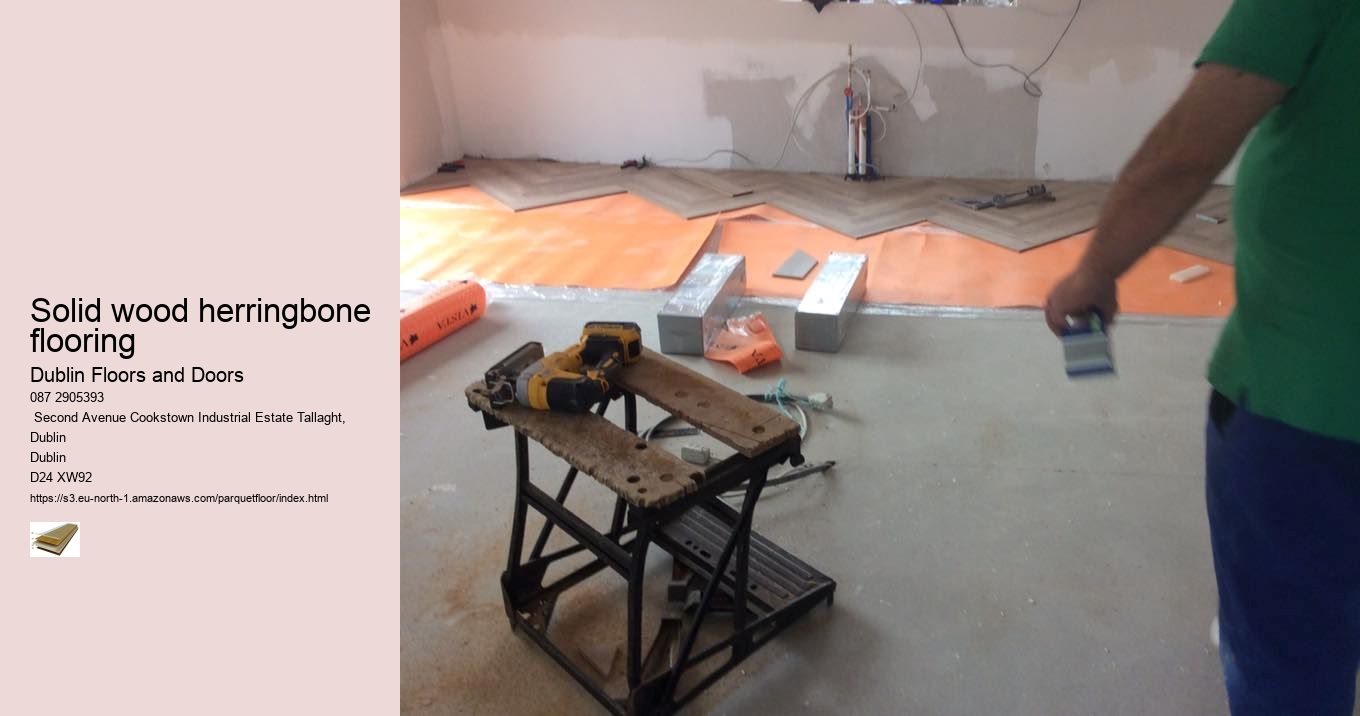
For installation, the common practice is to orient the flooring at a 45-degree angle to the walls. This creates a dynamic, arrow-like appearance that improves the perception of room flow.
Whether aiming for a classic or modern aesthetic, the various finishes and styles available cater to diverse commercial design preferences, making Walnut Herringbone flooring a popular choice for businesses looking to elevate their space.
Parquet flooring is a favored option for both residential and commercial spaces due to its numerous advantages. Here’s a closer look at why it’s such a popular choice:
In summary, parquet flooring combines aesthetic beauty, durability, ease of maintenance, and environmental benefits, making it an excellent choice for enhancing living or working spaces with elegance and practicality
Installing parquet flooring can be a fulfilling DIY project or be expertly handled by a professional. Here’s a detailed guide to help you through the process:
By following these steps, you can successfully install parquet flooring, adding elegance and durability to your space. If you’re unsure about DIY installation, hiring a professional is always a good option to ensure optimal results
Place doormats at entry points to prevent dirt from being tracked onto the floor.
Addition-ally, consider using furniture pads to protect the wood from scratches caused by moving furniture.
Stay on-trend and enhance your living space with these stylish laminate flooring options available in Dublin.
For those seeking more information or assistance, please don't hesitate to reach out to Bartley at Floors and Doors through the provided contact details.
Avoid wearing shoes indoors to reduce dirt and scratches.
With the Irish Dublin Oak laminate flooring, achieving a luxurious gloss finish in any space has never been easier. How can homeowners effectively maximize the residential use of Irish Dublin Oak laminate flooring? Irish Dublin Oak laminate flooring is an ideal choice for residential spaces due to its hard-wearing nature and easy-to-clean features. To make the most of this luxurious gloss finish flooring, ensure proper maintenance by regularly sweeping or vacuuming to remove dirt and debris.
Take into account these factors to choose the right oak flooring that meets both your aesthetic preferences and practical requirements. In considering the optimal choice for your oak flooring, it is essential to prioritize both aesthetic appeal and practical functionality. Pisa Oak Flooring offers a perfect blend of richness and elegance, making it a versa-tile option for various interior design themes. Its herringbone pattern adds a touch of sophistication to any room while also providing durability and ease of maintenance.
With laminate flooring mimicking the look of wood, stone, or marble at a fraction of the cost, Dublin offers a wide range of finishes to elevate your space without breaking the bank. By considering the various cost factors and seeking expert advice, you can achieve a stylish and affordable flooring solution for your home.
Additionally, being part of the Aqua+ range known for its moisture resistance, this flooring is suitable for spaces like bathrooms, kitchens, and hallways where exposure to moisture is a concern. Egger's Egger's laminate flooring combines style, durability, and functionality, making it a versatile and practical choice for various environments.
The herringbone pattern, for instance, uses rectangular pieces arranged in a staggered zigzag, creating a dynamic, rhythmic effect. The chevron pattern, on the other hand, utilizes pieces cut at angles to form sharp points, delivering a striking, directional aesthetic.
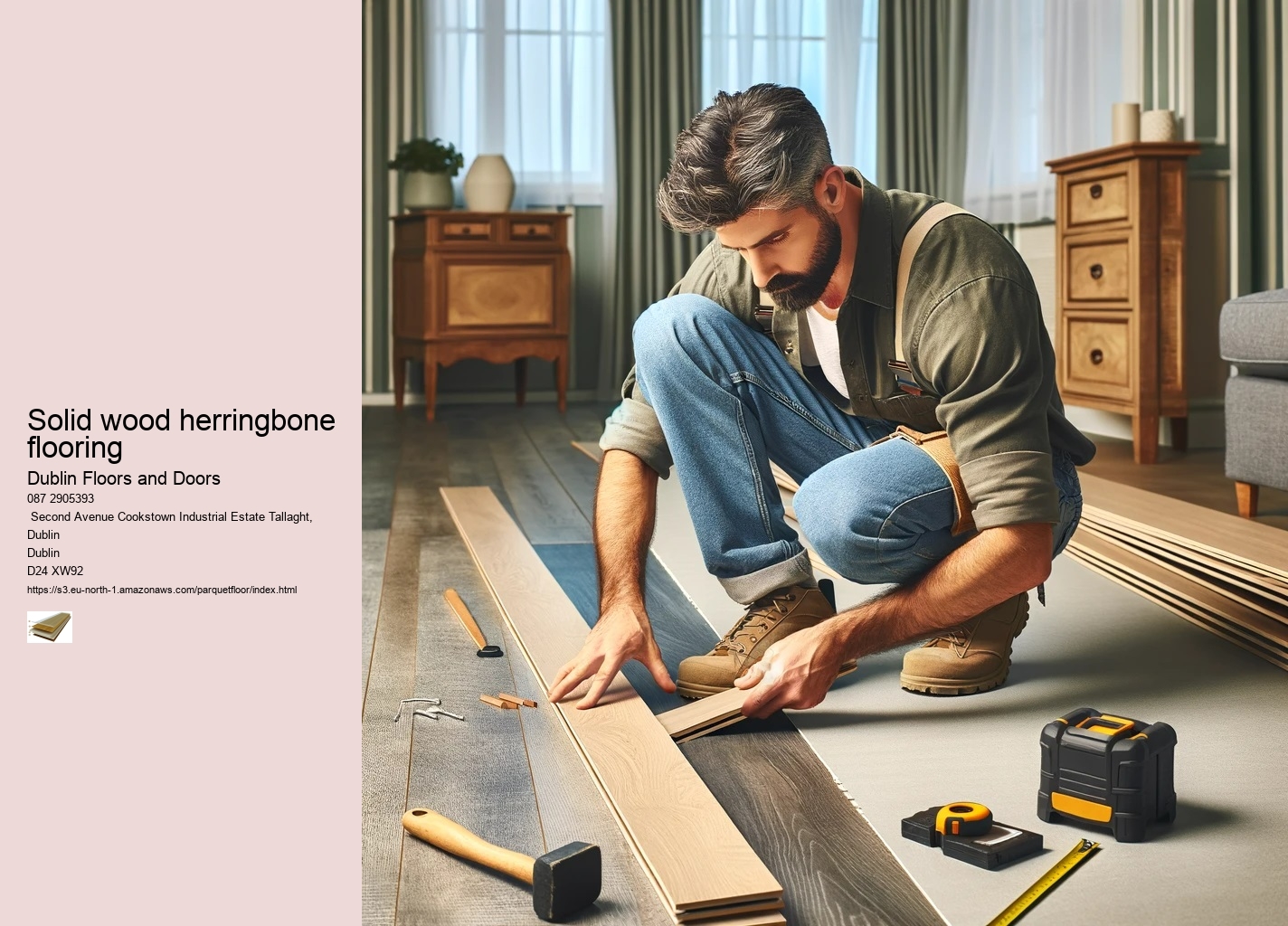
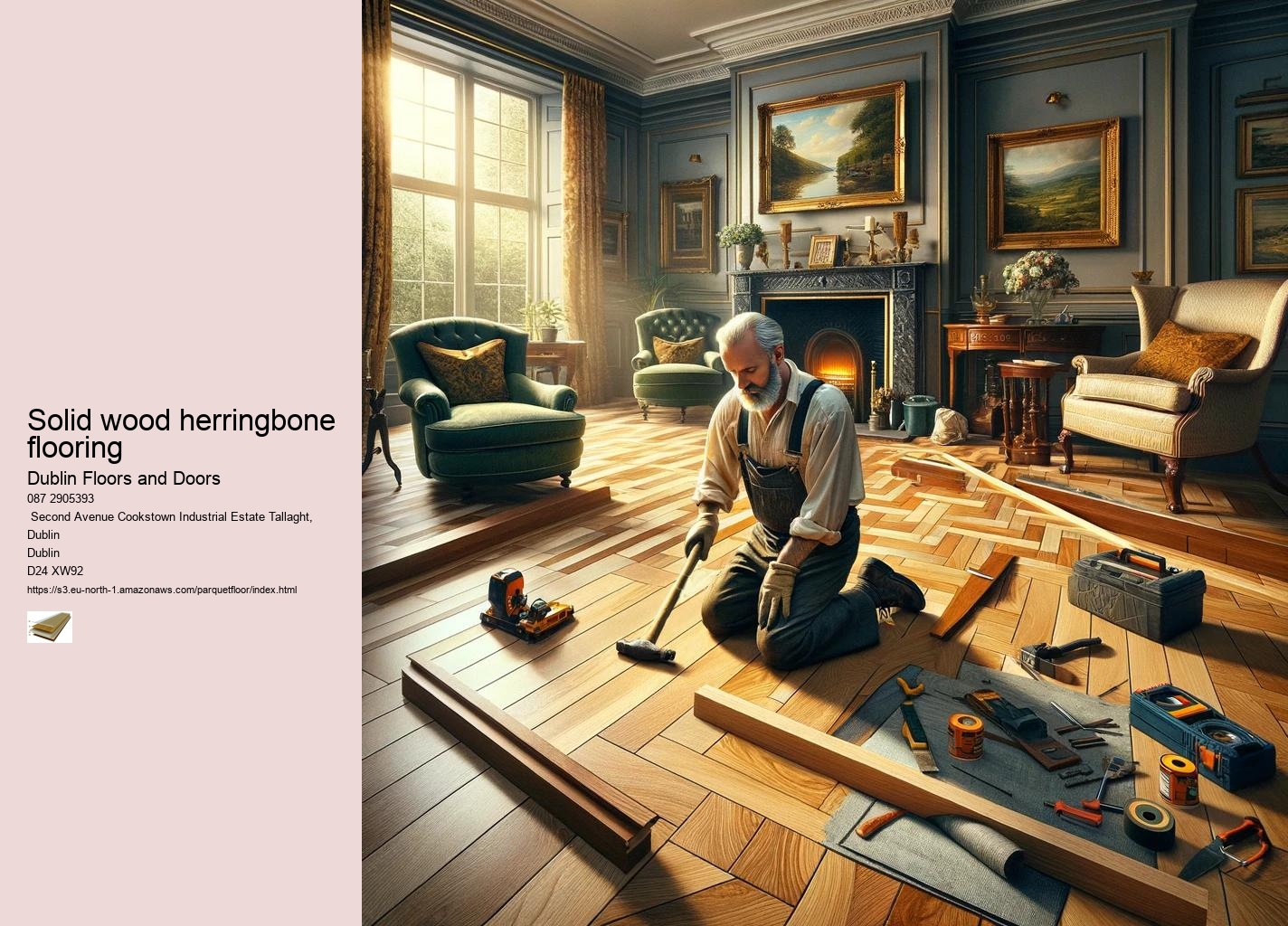
11.Finishing Touches: Achieve a seamless fit by cutting and placing boards accurately. Choose matching trims, cutting edges at 45°, and use wood effect discs to conceal holes around radiator pipes. Install threshold bars in doorways to seamlessly join different flooring types.
In eco-conscious construction, parquet flooring stands out due to its sustainability potential. This flooring option can be sourced from reclaimed wood, reducing waste and promoting sustainable practices in construction. This choice honors our environment and provides a second life to discarded wood, making it an attractive solution for those aiming to achieve a balance between design and ecological responsibility.
Yes, herringbone flooring is an excellent idea for those seeking a timelessly elegant design. Its distinctive pattern not only boosts aesthetic appeal but also creates an illusion of space, making it suitable for various room sizes.
Introducing the latest sensation in interior design - the Exquisite Oak Planked Honey. This unique flooring option has been meticulously crafted to bring a touch of natural elegance to your home. With its intricate details and warm tones, the Oak Planked Honey promises to redefine your living space.
Hardwood floors, sourced from natural timber, have a significant environmental impact due to deforestation and the time required for trees to mature. Engineered floors, on the other hand, use less hardwood as only the top layer consists of the desired wood species. This makes them a more sustainable option. Additionally, engineered floors often utilize fast-growing wood species or reclaimed wood for their core layers, further reducing their environmental footprint.
With its authentic wooden appearance and attention to detail, the Oak Planked Honey truly brings a touch of sophistication and warmth to any room it graces.
bespoke parquet
Parquet flooring is a type of wood flooring made up of small blocks or strips arranged in a geometric pattern. It is known for its aesthetic appeal and is often used in both traditional and modern interiors to add a touch of elegance and character.
Parquet flooring comes in various patterns, with the most common being herringbone, chevron, and basketweave. Each pattern offers a distinct visual effect, allowing for customization to match different interior styles.
To maintain parquet flooring, regularly sweep or vacuum to remove dirt and dust. Use a damp mop for deeper cleaning, and ensure that spills are wiped up promptly to avoid damage. Periodically, the floor may need to be refinished to restore its appearance.
Yes, parquet flooring can be installed in kitchens, but it's important to choose a wood species and finish that can withstand moisture. Additionally, proper sealing and maintenance are crucial to ensure longevity in a kitchen environment.
Yes, many types of parquet flooring are compatible with underfloor heating. However, it's essential to follow the manufacturer's guidelines to ensure that the wood does not warp or crack due to temperature changes.
With proper care and maintenance, parquet flooring can last for several decades. The lifespan depends on the quality of the wood, the installation, and how well it is maintained over time.
Parquet flooring can be made from various types of wood, including oak, walnut, maple, and cherry. Each type of wood offers different colors, grain patterns, and hardness levels, allowing for a wide range of design possibilities.
Yes, parquet flooring can be refinished multiple times depending on the thickness of the wood. Refinishing involves sanding down the surface to remove scratches and applying a new finish to restore its original beauty.
To clean parquet flooring, use a soft broom or vacuum to remove dust and debris. For a deeper clean, use a damp mop with a wood floor cleaner. Avoid excessive water as it can damage the wood.
Parquet flooring is not completely water-resistant, but it can be made more resistant with proper sealing and finishing. It's important to wipe up spills immediately and avoid excessive moisture to prevent damage.