Window Tinting Cost in Texas: A 2026 Pricing Guide
Automotive window tinting is widely regarded as one of the most critical and practical upgrades a motorist can make in Texas. With long summer heat waves, high solar radiation, and relentless sun glare across major expressways like I-10, Loop 1604, and I-35, driving a vehicle with untreated factory glass can be physically exhausting. However, when shopping for window tint in Texas, drivers are often confronted with wide pricing discrepancies ranging from $99 advertised by roadside shops to over $800 for high-end nano-ceramic packages.
Understanding why window tinting prices vary so drastically requires examining film materials, manufacturing technology, installation methods, and warranty backing. A budget tint job often utilizes cheap dyed polyester films that turn purple, bubble, and provide negligible heat reduction. In contrast, premium ceramic window films incorporate microscopic nanoparticles designed to block invisible infrared heat, providing permanent comfort and optical clarity.
In Texas, professional window tinting costs typically range from $200 to $400 for entry-level carbon films and $400 to $900 for full-vehicle high-performance nano-ceramic installations. Pricing also depends heavily on vehicle type, number of windows, whether the front windshield is included, and whether old, degraded film needs to be safely removed first.
At Alamo Auto Aesthetics, we believe in complete consumer transparency and education. In our detailed review of Window Tinting Cost in Texas: A 2026 Pricing Guide, we break down average market costs by film grade, examine key pricing factors, and explain why investing in premium ceramic film delivers the best return on investment for Texas motorists.
Table of Contents
Jump directly to any section of this comprehensive service guide.
Average Window Tinting Prices in Texas: Dyed, Carbon, and Ceramic Tiers
In this breakdown of Window Tinting Cost in Texas: A 2026 Pricing Guide, overall pricing is primarily determined by the film technology selected. Automotive window films generally fall into three main categories: traditional dyed films, carbon films, and nano-ceramic films. Each technology offers distinct thermal performance capabilities, aesthetic qualities, and price points.
Dyed window tint represents the lowest-priced tier, generally costing between $100 and $250 for a standard four-door sedan. Dyed films rely on dyed polyester layers to absorb light and darken glass. While dyed tint provides basic visual privacy and moderate glare reduction, it provides very little heat rejection and breaks down quickly under the intense Texas sun, often fading or turning purple within one to two years.
Breakdown of average Texas window tint pricing by film grade:
- ✓Dyed Window Film ($100 - $250): Low-cost privacy tint; minimal heat rejection; prone to fading, bubbling, and purple discoloration.
- ✓Carbon Window Film ($250 - $450): Mid-tier film with matte black finish; zero dye fading; moderate heat rejection (up to 50% TSER); no electronic interference.
- ✓Ceramic Window Film ($450 - $750): Premium nano-ceramic technology; exceptional infrared heat rejection (up to 90%+ IR rejection); 99% UV defense; lifetime warranty.
- ✓Ultra-Ceramic / Dual-Layer Film ($700 - $950+): Top-tier multi-layer ceramic; maximum infrared rejection (up to 95%+ IR rejection); superior optical clarity and glare control.
For drivers who spend significant time commuting in South and Central Texas, carbon and ceramic films represent the smart choice. Carbon films provide a deep matte black appearance that never fades, while ceramic films offer revolutionary heat rejection that keeps cabins dramatically cooler, even during triple-digit Texas summer days.
Key Pricing Factors: Vehicle Class, Window Count, and Film Technology
Beyond the type of film selected, several key vehicle characteristics dictate the final cost of a professional window tint installation. Automotive glass designs vary dramatically between vehicle makes and models, directly impacting technician labor time, pattern complexity, and film consumption.
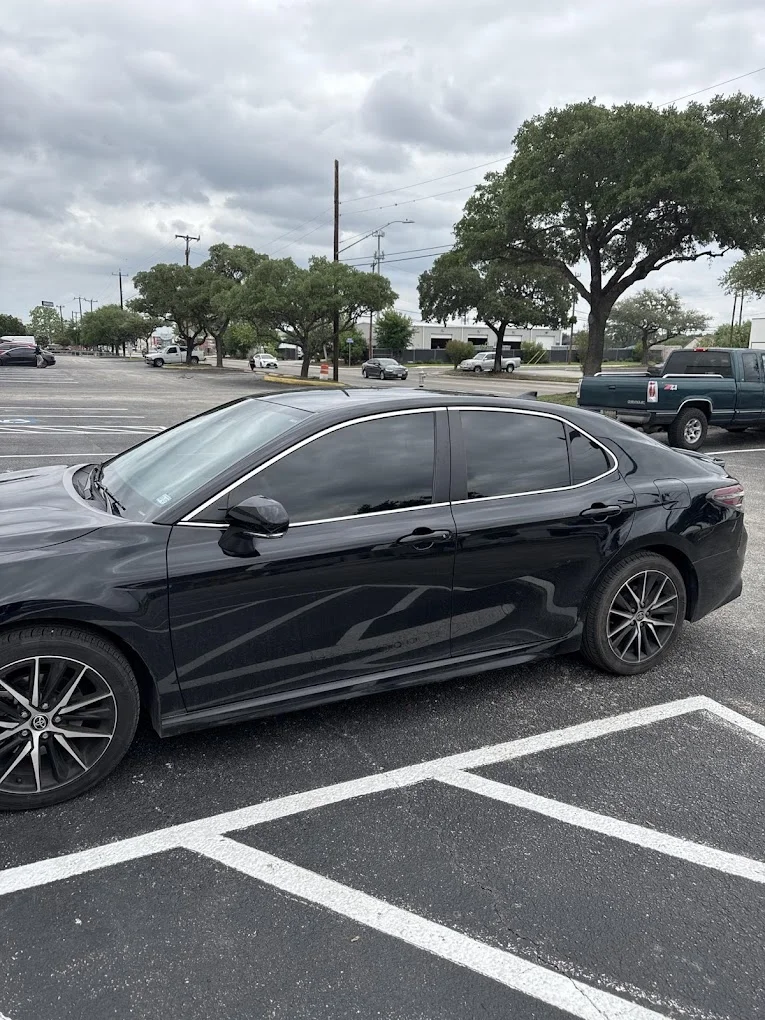
The number of windows and the presence of quarter glass panels or complex rear windshields are significant cost factors. A two-door coupe with simple flat glass requires less material and labor than a large SUV with third-row windows, cargo glass, and an expansive curved rear windshield. Additionally, vehicles with frameless doors or tight interior seals require specialized installation techniques to prevent edge peeling.
Key factors that influence automotive window tint pricing:
- ✓Vehicle Classification and Glass Count: Coupes and sedans have fewer windows than large SUVs, minivans, and crew-cab trucks
- ✓Rear Windshield Curvature: Severely curved rear windows (such as on sports coupes) require advanced heat-shrinking expertise
- ✓Electronic and Sensor Placement: Vehicles with sensitive dashboard electronics and camera housings require extra water-shield protection
- ✓Film Grade and VLT Selection: Premium ceramic films with high infrared rejection command higher material costs
During your consultation at Alamo Auto Aesthetics, our specialists inspect your vehicle's specific glass configuration, discuss your heat rejection priorities, and provide an exact, all-inclusive quote with no hidden charges.
Windshield Tinting and Sun Strip Pricing Considerations
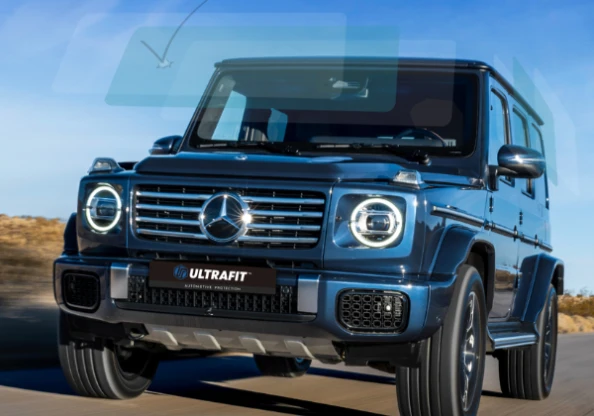
Tinting the front windshield has become one of the most popular automotive enhancements in Texas, but it is typically priced separately from side and rear window packages. Because the front windshield is the largest single piece of glass on the vehicle and faces directly into the sun during driving, untreated windshield glass is the primary source of interior heat buildup and dashboard degradation.
In Texas, professional windshield tinting typically costs between $150 and $350 as a standalone service, or $125 to $250 when bundled with a complete vehicle tint package. Most drivers choose an optically clear or nearly invisible ceramic film (such as 70% or 80% VLT) that allows virtually all visible light to pass through while blocking up to 95% of incoming infrared heat and 99% of damaging UV rays.
Windshield tint options and typical pricing:
- ✓Windshield Sun Strip / Eyebrow ($50 - $90): Dark film applied across the top 5 inches or AS-1 line to block blinding sun glare.
- ✓Full Clear Ceramic Windshield Tint ($175 - $350): High-transparency ceramic film applied across the entire windshield for massive heat and UV rejection without reducing night visibility.
- ✓Windshield Protection Film (Exterior) ($350 - $600): Heavy-duty exterior polyurethane film designed to prevent rock chips and cracks on highway commutes.
- ✓Texas Legal Compliance: Texas law allows tint along the top 5 inches or above the AS-1 line, while medical exemptions allow full clear tinting for qualifying drivers.
Adding a ceramic film to your front windshield provides an immediate, noticeable improvement in daily driving comfort. Cabin temperatures drop rapidly, air conditioning systems operate with far less strain, and blinding road glare is significantly reduced without compromising driver vision.
Old Tint Removal Costs: Why Professional Stripping Matters
If your vehicle already has old, bubbling, purple, or peeling window tint installed, that film must be completely removed before new tint can be applied. Many drivers wonder why reputable tint shops charge a separate fee for tint removal, which typically ranges from $100 to $250 depending on the vehicle and film condition.
Removing degraded window tint is an intensive, delicate labor process. Cheap dyed films degrade by separating into multiple layers: the top polyester film peels away, leaving behind a brittle, sticky layer of petrified adhesive bonded directly to the glass. Removing this hardened adhesive requires specialized steamers, chemical softening agents, and hours of careful scraping.
Risks of amateur tint removal and why professional stripping matters:
- ✓Rear Defroster Damage: Scraping rear glass with metal blades can permanently sever embedded defroster lines and glass radio antennas.
- ✓Glass Scratching: Improper scraping tools and techniques can gouge and permanently scratch automotive glass.
- ✓Toxic Chemical Inhalation: Using harsh ammonia-based solvents inside enclosed vehicle cabins presents health risks.
- ✓Clean Surface Requirement: New film cannot adhere properly or lay optically flat if any residual adhesive or dirt remains on the glass.
At Alamo Auto Aesthetics, our technicians use specialized dry-vapor steaming systems to safely melt old adhesive without damaging sensitive rear window defroster grids or antenna lines. This careful approach ensures your glass is perfectly prepped for a flawless new installation.
Our Computer-Cut Window Tint Installation Workflow
Executing an immaculate, bubble-free window tint installation requires clinical cleanliness, computerized cutting software, and master-level installer technique. At Alamo Auto Aesthetics, our certified technicians adhere to a rigorous multi-phase installation workflow designed to guarantee optical clarity, tight borders, and long-lasting edge adhesion.
Our standard window tint installation workflow includes:
- 1Deep Glass Decontamination: We meticulously wash and chemically decontaminate interior and exterior glass using specialized slip solutions, non-abrasive scrub pads, and clay bars to remove road film, sap, and dust.
- 2Computerized Precision Plotting: Using advanced digital plotter software and manufacturer templates, we precision-cut the film to the exact dimensions of your vehicle's glass, eliminating razor cutting on your car.
- 3Exterior Heat Shrinking: Technicians heat-mold the precision-cut film on the exterior glass curvature using controlled heat guns, forming an exact, tension-free contour that matches compound glass curves.
- 4Clean-Room Interior Mounting and Moisture Extraction: The pre-formed film is transferred to the prepared interior glass surface in our dust-controlled studio, where specialized squeegees extract mounting moisture for a crystal-clear, durable bond.
Following installation, the vehicle undergoes a multi-point optical quality check. This disciplined process guarantees that your tint delivers factory-level perfection, zero bubbling, and dependable performance on Texas roads.
Why Choose Alamo Auto Aesthetics for Automotive Window Tinting
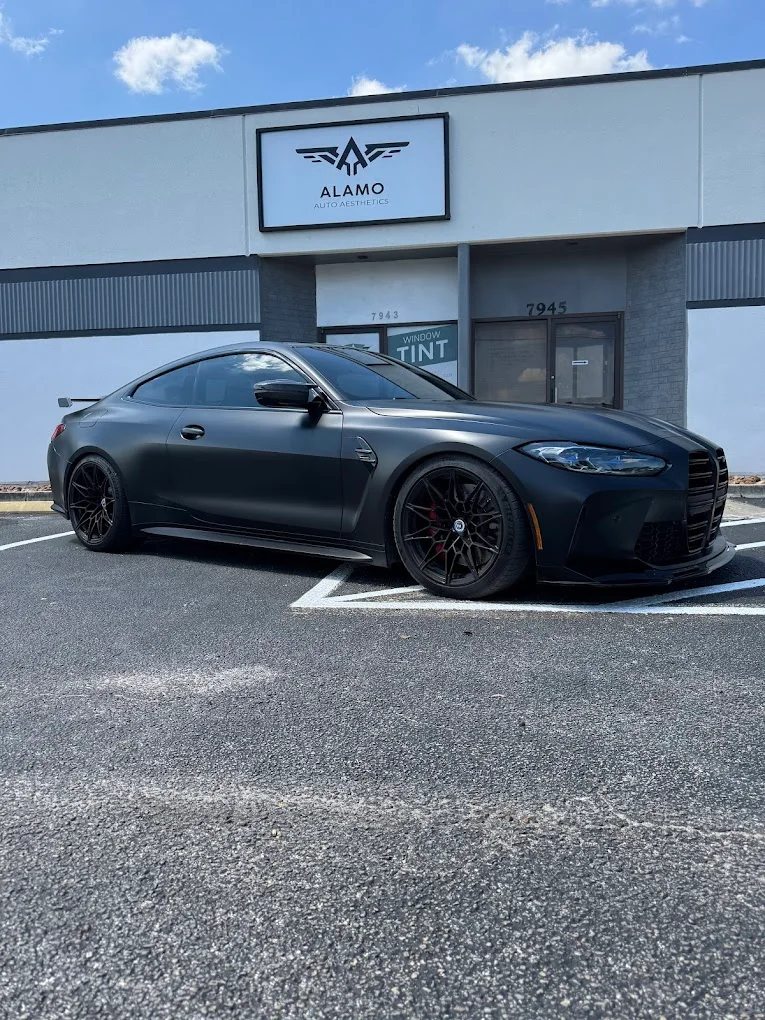
When investing in automotive window tinting in Texas, selecting the right installation facility is just as crucial as choosing the right film brand. Alamo Auto Aesthetics has established itself as the trusted authority for discerning vehicle owners throughout San Antonio, Alamo Heights, and the surrounding areas. Our modern, climate-controlled facility is engineered specifically to maintain dust-free conditions, eliminating airborne contaminants that cause bubbles and debris under the film.
Unlike mobile tint operators who work in dusty driveways or high-volume shops that cut film by hand directly against your vehicle's glass, we treat window tinting as an exact science. Our computerized plotters ensure perfect micro-edge borders without razor blade contact with your glass, defroster lines, or delicate leather door panels.
Key reasons vehicle owners choose Alamo Auto Aesthetics:
- ✓Certified master tint technicians with extensive experience on luxury, performance, and everyday vehicles
- ✓Clean, climate-controlled studio engineered specifically for dust-free tint installations
- ✓Direct authorized dealer for world-class film manufacturers offering nationwide lifetime transferable warranties
- ✓Comprehensive protection services including paint protection film, ceramic coatings, and high-end detailing
We take immense pride in delivering exceptional customer service, transparent upfront pricing, and expert shade recommendations. When you choose Alamo Auto Aesthetics, you invest in masterful workmanship, lasting thermal comfort, and total peace of mind.
Understanding the Long-Term Financial Value of Premium Ceramic Tint
When evaluating the cost of automotive window tinting, it is important to view the expenditure as a long-term investment rather than a simple cosmetic expense. In the demanding Texas climate, high-performance ceramic window tinting delivers substantial financial and functional returns that easily outweigh the initial cost difference over cheap dyed films.
By blocking over 90% of solar infrared heat, ceramic window tint keeps your vehicle significantly cooler, allowing your climate control system to cool the cabin rapidly and operate at lower blower speeds. This reduced compressor workload improves fuel efficiency in traditional gas vehicles and extends battery range in electric vehicles (EVs) during prolonged summer commuting.
Financial and practical benefits of investing in ceramic tint:
- ✓Interior Preservation: 99% UV blockage prevents expensive leather seats, dashboards, and electronics from drying, fading, and cracking.
- ✓Fuel and Energy Savings: Reduced air conditioning strain improves fuel economy and preserves EV battery range.
- ✓Avoidance of Replacement Costs: Cheap dyed tint fades and bubbles within two years, requiring costly removal and re-tinting; ceramic tint lasts the lifetime of the vehicle.
- ✓Glare and Safety Defense: Enhanced glare reduction improves driver reaction times, while film adhesive holds shattered glass together during collisions.
Choosing ceramic window tint from Alamo Auto Aesthetics ensures you make a one-time investment backed by a lifetime warranty. You enjoy superior heat protection, enhanced privacy, and lasting vehicle equity throughout your entire ownership experience.
Contact Us Today
Have questions or need emergency service? Reach out to our dedicated team anytime.
Alamo Auto Aesthetics
Fast, dependable support and honest pricing across our service area.
Frequently Asked Questions
Find clear, helpful answers to common questions regarding our process, pricing, equipment, and satisfaction guarantee.
How dark can my window tint legally be in Texas?
What is the difference between ceramic tint and regular dyed tint?
How long does window tint take to cure in San Antonio's climate?
Will window tinting interfere with my GPS, toll tag, or phone signals?
Does window tinting help improve fuel economy or EV range?
Related Articles
How Much Does Ceramic Coating Cost in Texas?
How Much Does Ceramic Coating Cost in Texas? | 2026 Pricing Guide
Read Article →How Much Does Paint Protection Film Cost in Texas? (2026 Price Guide)
How Much Does Paint Protection Film Cost in Texas? (2026 Price Guide)
Read Article →How Dark Can Window Tint Legally Be in Texas?
How Dark Can Window Tint Legally Be in Texas? | Legal Guide
Read Article →