
How a Croydon Osteopath Assesses Your Whole Body
Walk into a good osteopath clinic in Croydon and you notice the pace first. No scramble, no production line. Appointments run long enough to listen, to test, to reconsider. That matters because osteopathy isn’t a single-technique profession. It is a way of thinking about the body as an integrated system where joints, muscles, fascia, nerves, blood flow, breath, and even habits of standing in the queue at East Croydon Station all influence what hurts. A whole-body assessment is the foundation. Without it, treatment risks chasing symptoms while the cause keeps driving the same pattern.
This is how a Croydon osteopath usually approaches that first appointment, what gets measured and why, and how the findings translate into a plan that respects your goals, not just your MRI reports. I will use examples from common Croydon caseloads, from laptop-heavy office workers in the Town Centre to tradespeople lifting all day in Thornton Heath, to runners circling Lloyd Park. Names are changed and details blended to protect privacy, but the clinical reasoning is real.
Why whole-body thinking isn’t optional
You might book with a Croydon osteopath for low back pain, a stiff neck, or a stubborn heel. Fair enough. Yet pain is a poor mapmaker. It points loudly but imprecisely. A sore knee can be driven by hip weakness or an ankle that lost its spring after a sprain years ago. A headache may be amplified by jaw clenching and rib stiffness that limits breathing. Osteopathy developed around this kind of systems thinking: structure and function influence each other in loops, the body adapts, then over-adapts, and sensitive tissues finally protest.
The aim in a Croydon osteopathy assessment is to find the primary drivers among a web of compensations, not to label every ache. Two patients with identical scans can behave differently because sleep, stress, workload, and conditioning are different. That is why a full-body lens beats a local tunnel view.
The first five minutes set the tone
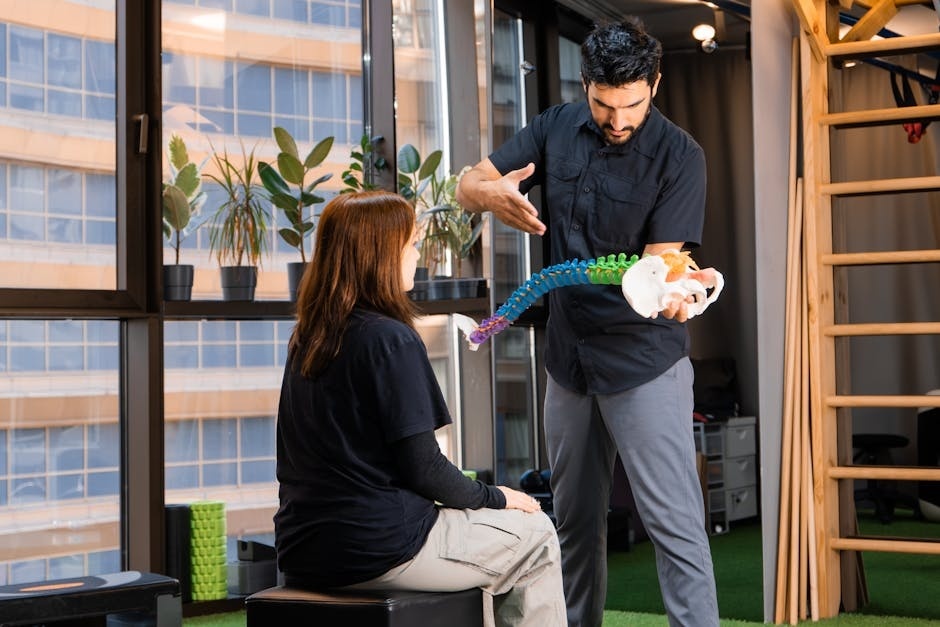
Good assessment starts before you lie on the table. The osteopath watches how you walk from the waiting area, how you put your bag down, whether you guard one side, whether your breath sits high in your chest. Gait tells stories. So does posture, but it is not a morality play. Not every rounded shoulder needs correction. The job is to notice patterns that explain your symptoms and filter out harmless quirks.
In Croydon, I see plenty of commuters who sit long hours then race for trains. Their stride shortens, hips stiffen, calves overwork, and they breathe shallow when stressed. By the time they present with low back pain, the back is not the only player. The initial minutes help set hypotheses: is this a load management problem, a mobility deficit, a motor control issue, or a pain sensitivity pattern? Often it is a blend.
The conversation that matters more than the couch
The case history is structured but personal. A skilled osteopath in Croydon aims to understand not just what hurts, but what changed around the time it started.
- Chief complaint in your words: when it began, what it feels like, where it refers, what eases or aggravates it, whether mornings differ from evenings.
- Prior episodes: how many, how long, what worked before. A pain that flares with heavy gardening then settles is different from one that nags at night and wakes you.
- Medical background: medications, red flags like unexplained weight loss, fever, recent infections, trauma, steroid use, history of cancer, inflammatory conditions.
- Lifestyle context: job demands, commute, lifting, sports, childcare. In Croydon I often ask about stairs at home, as many flats have long internal flights. That can bias knee and calf symptoms.
- Beliefs and goals: what you think is going on, what you fear, what you want from treatment. If someone believes their disc is “slipped out” and fragile, their movement pattern will often reflect that. Education becomes part of treatment.
Two short vignettes illustrate why the history reshapes the plan. First, a 42-year-old graphic designer with mid-back pain. On paper, a thoracic joint issue. In the room, she mentions a chesty cold a month ago, now resolved, and hours hunched over a laptop. Her breathing pattern is high and fast, ribs barely moving. Mobilising her spine without addressing breathing would likely fizzle. Second, a 56-year-old electrician with outer hip pain at night. He thinks it is arthritis. He sleeps on his side with a soft mattress and crosses legs often on breaks. His exam points to greater trochanteric pain syndrome sensitised by compression. Changing sleep set-up plus targeted loading trumps general massage.
Safety first: screening before hands-on
Any responsible Croydon osteopath fronts-loads safety. Certain patterns demand medical referral rather than manual therapy. These include red-flag clusters like new bowel or bladder issues with severe back pain, progressive weakness, unremitting night pain, saddle numbness, unexplained fevers, or significant trauma in older adults. Upper cervical symptoms with dizziness, double vision, and severe headache require caution and sometimes urgent evaluation.
Osteopaths are trained to examine for neurological deficits when appropriate: strength, reflexes, sensory changes, nerve tension signs. If something does not fit a musculoskeletal pattern, your osteopath should say so plainly and steer you toward the right pathway. Most cases do fit, and then the bodywork can begin.
Mapping movement: how the exam builds a working model
Examination in Croydon osteopathy has layers. Each layer either confirms or challenges the working theory from the history. It begins general and narrows.
Observation. The osteopath views you from front, side, back. Are the shoulders level, does the trunk rotate freely when you turn, do the arches collapse or stay rigid, is the pelvis rotated, do you avoid loading a leg? Observation avoids snap judgments. It guides where to test next.
Functional movement. Simple screens are powerful. A two-leg squat shows ankle dorsiflexion, hip flexion strategy, spinal control. A single-leg stance reveals balance, pelvic control, and foot strength. A reach test can show thoracic rotation and shoulder scapular rhythm. For a runner, hopping tells more than a thousand words.
Regional motion testing. Active first, then passive if needed. Can your neck rotate symmetrically, does extension pinch, does side-bending provoke radiating symptoms? For the lumbar spine, combined movements can reproduce pain that plain flexion does not. For the hip, flexion, internal rotation, and the FADIR position can reveal irritability. Ankles often hide limited dorsiflexion that overloads knees and backs. Shoulders need careful separation of glenohumeral motion from scapulothoracic motion.
Palpation. Not poking randomly, but feeling tissue tone, temperature, edema, and joint play. A Croydon osteopath familiar with manual diagnostics will distinguish a stiff facet from a guarded muscle, a thickened Achilles from a tender plantar fascia insertion, or a rib that refuses to spring. Palpation is subjective, and good clinicians pair it with functional changes: if a technique softens tone and your movement improves immediately, that matters more than a label.
Neurodynamic tests. Straight leg raise and slump test for lumbar radicular irritation, upper limb tension tests for neural mechanosensitivity. The goal is to see if nerves are part of the story and how irritable they are.
Strength and control. Not maximal strength testing in a gym sense, but selective testing. Can the gluteus medius hold a side bridge without lurching, does the calf produce repeated heel raises evenly, does the deep neck flexor endurance test collapse early? Strength deficits often mark the path out of pain more than fancy releases.
Breath and rib mechanics. Many desk-based patients in Croydon have stiff upper ribs and diaphragm patterns that limit trunk stability. Assessing rib springing, lateral expansion, and diaphragm contribution can unlock stubborn thoracic and neck complaints.
Vascular and visceral considerations. Osteopathy recognises that circulation and organ mobility can influence musculoskeletal symptoms, particularly in the ribcage, abdomen, and pelvis. Gentle tests of abdominal wall tone, inguinal ligament tension, and pelvic floor hints are sometimes relevant. It is handled with consent and professionalism, not routine box-ticking.
Case patterns common in a Croydon osteopath clinic
Patterns repeat with local flavor. The following composites mirror what a typical osteopath clinic in Croydon sees weekly.
The commuter’s low back pain. A 35-year-old project manager, two long days per week in the office, three at home. At the office, a sit-stand desk that he rarely raises. At home, a dining chair and a laptop. He lifts his toddler every evening. Pain sits across the belt line after an hour sitting, eases with a hot shower, spikes after weekend football. On exam, hip extension is limited, hamstrings feel “tight” but the straight leg raise is normal; it is actually neural guarding. Lumbar flexion feels threatened but not mechanically blocked. The osteopath’s whole-body lens spots limited ankle dorsiflexion and a stiff sternum that cuts off rotation, forcing the lumbar spine to twist in five-a-side games. Treatment targets posterior chain mobility, hip extension, ankle dorsiflexion, plus graded lumbar flexion exposure, with advice on breaking up sitting every 30 to 45 minutes. Not a miracle, but predictable progress.
The side-sleeper’s lateral hip pain. A 52-year-old teacher from South Croydon, aching at the outer hip at night and when standing with weight on one leg. She fears arthritis. X-rays show mild changes that do not match the pain severity. Palpation reveals tenderness over the greater trochanter, abductor weakness, and a sway stance with knee locked back and pelvis dropped. This is a greater trochanteric pain syndrome, more about tendon compression and load tolerance than joint damage. The Croydon osteopath builds a plan that avoids crossing legs and sleeping on the sore side, adds a pillow between knees when side-sleeping, uses isometric abductor loading first, then progressive standing hip abduction and step-down drills. Soft tissue work around the iliotibial band eases pain, but the strength work keeps it away.
The runner’s knee that isn’t a knee. A 28-year-old training for the Croydon Half Marathon develops pain around the kneecap at 8 kilometers. Shoes are new, stride is overstriding slightly, and cadence is low. Exam shows limited ankle dorsiflexion on the left after an old sprain and weakness in the soleus. Hip control is decent, but the foot collapses late in stance. The Croydon osteo reframes the problem as load sharing: improve dorsiflexion with joint mobilisations and calf raises biased to the soleus, tweak cadence up by 5 to 7 percent, and sprinkle short uphill intervals. The “knee problem” settles when the ankle and cadence change.
The desk neck with jaw noise. A 40-year-old accountant, headaches after lunch, clicking jaw when chewing, and tight shoulders. She clenches teeth during deadlines. Cervical rotation is limited to the left, first rib is stiff, thoracic rotation is poor, and the masseter is tender. The osteopath combines rib and thoracic mobilisations, jaw muscle release with consent, breathing drills that lengthen exhalation, and self-care like a small towel pivot under the upper back for a minute daily. The result is fewer headaches and less jaw noise because the neck and ribcage share the load again.
Tests you will likely experience, and why they are chosen
Patients appreciate knowing what the odd-sounding tests are about. Here are a few you may encounter at a Croydon osteopathy visit and the clinical reasoning behind them.
The active straight leg raise. You lie on your back and lift one leg straight without bending the knee. Beyond hamstring length, this tests how well your trunk stabilises when the leg moves. Difficulty or heaviness on one side often improves immediately after targeted pelvic or rib techniques. It is a simple gauge of load transfer.

The seated rotation with pelvic lock. You sit, the pelvis is stabilised, and you rotate the trunk. If rotation is limited or pain-provoking, the osteopath tries mobilising the thoracic spine or first ribs, then retests. Improvement suggests the driver was there, not in the neck alone.
The ankle dorsiflexion knee-to-wall. You face a wall, knee bent to tap the wall while the heel stays down. The distance measures dorsiflexion. Asymmetry greater than about 2 to 3 centimeters often matters for squat depth, running mechanics, and stair comfort.
The cervical flexion-rotation test. You lie on your back, the neck is flexed, and rotation is tested, which biases the C1-2 joint. Limited rotation here often correlates with certain types of headache. If this changes with gentle suboccipital work, it helps confirm the source.
The slump test. A neural tension assessment for the lower limb. Done gently, it can clarify whether neural mechanosensitivity contributes to leg pain. The osteopath modifies neck or ankle position to see what changes symptoms. This is not about “stretching nerves,” but understanding their sensitivity and planning graded movement.
Hands-on techniques through a systems lens
Patients sometimes expect dramatic cracking, or conversely, fear it. A Croydon osteopath usually has many tools and selects based on findings, preferences, and irritability of tissues.
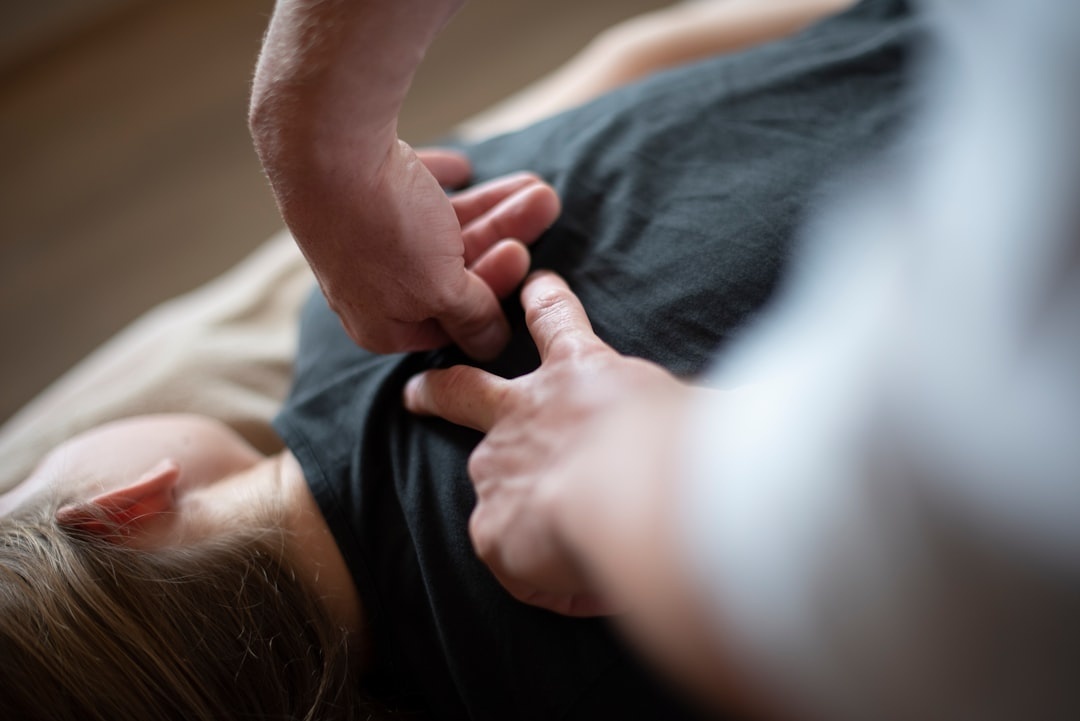
Joint articulation and mobilisations. Rhythmic, graded movements that nudge joints into freer ranges. Thoracic articulations often produce satisfying breath ease without thrust. Hips and ankles respond well to oscillatory mobilisations that reduce guarding.
High-velocity, low-amplitude thrusts. The classic “click.” Not always used, often not needed, but helpful in certain spines and ribs when consented. The goal is not bone realignment like moving blocks, but a nervous system reset that reduces protective tone and pain.
Soft tissue and myofascial techniques. From precise trigger point compression in the gluteus medius to longer sweeps along the quadratus lumborum, these techniques change tone and perception. Fascia work can be slow and patient, particularly around the lateral thigh and calf where endurance runners build ropey tissues.
Muscle energy techniques. The osteopath positions a joint near a barrier, asks you to contract gently in a specific direction, then relaxes and repositions. Effective for positional asymmetries in the pelvis and for improving rib motion.
Visceral and diaphragm releases. Where indicated, gentle work around the diaphragm, liver suspensory ligaments, or colon attachments can improve trunk mobility and breathing. This is not mystical; the abdominal contents are suspended and buffered by fascia that blends with the musculoskeletal system. The effect is often subtle but real. Always with consent, always within comfort.
Neurodynamic glides. Controlled movements that tension then slacken a nerve to improve its mobility and reduce sensitivity. Useful for carpal tunnel-type symptoms, sciatic irritability, and cervical radicular patterns when used alongside strength and postural changes.
Exercise is not an afterthought
Hands-on care opens a window. Exercise keeps it open. In Croydon osteopathy, the most durable changes come when the patient owns a few targeted drills that match the exam. Not a laundry list, just the right levers.
For the low back, hip hinge practice, segmental cat-camel with breath, and side planks build capacity. For lateral hip pain, isometrics at 30 to 45 seconds, then step-downs and tempo squats. For neck pain, deep neck flexor nods combined with thoracic rotations such as open books. For ankle limitations, calf raises biased to soleus with bent knee, tibial glide drills against a band, and foot intrinsic exercises like short foot holds.
Dosage is the difference between helpful and flaring. A Croydon osteopath will often start with low to moderate intensity, two sets of eight to twelve slow reps, or isometrics at 30 to 45 seconds, then reassess weekly. Progress is built into the plan: heavier, slower, more complex, or more endurance as tolerated.
The value of education without fear
Language heals or harms. If you are told your spine is “degenerating” or your pelvis is “out,” you may move like glass. In most cases, imaging findings such as disc bulges or spondylosis track normal aging and correlate poorly with pain intensity. Your Croydon osteopath should translate scans into context, not threats.
Education covers pain science in plain terms. Pain is an alarm that can be sensitised. Stress, poor sleep, and inactivity crank the volume. Graded exposure to feared movements often reduces pain faster than avoiding them. If bending is scary, a plan that bends lightly, often, and without catastrophe rewires the experience. None of this negates biology. It completes the picture.
How local life in Croydon shapes loads and habits
Place Croydon osteopathy matters. Croydon has long commutes, mixed housing stock, and active parks. A Croydon osteo will factor that into advice. If you carry heavy shopping from Surrey Street Market, grip and shoulder endurance need support. If you work near the Whitgift Centre and grab lunches at your desk, hydration and microbreaks become part of treatment. If you run the hills by Addington and Sanderstead, calf conditioning and downhill technique deserve attention. If your job involves ladder work along the Brighton Road corridor, shoulder rotation and thoracic mobility reduce risk.
Even shoes tie to locality. Wet winter pavements mean stiff boots that limit ankle motion for months. Spring swap-ins can flare Achilles tendons if the step change is abrupt. Part of the assessment is asking simple seasonal questions and making pragmatic suggestions.
Evidence, tradition, and what honest outcomes look like
Osteopathy blends hands-on tradition with modern research. The evidence base supports spinal manipulation for some types of back and neck pain, exercise for nearly all musculoskeletal complaints, and education to reduce fear and improve self-efficacy. Soft tissue techniques show short-term benefits that are worth harnessing if they help you move into exercise. Rigid protocols rarely fit complex people. What matters is matched care that you can feel working across days, not just minutes on the table.
In practice, honest outcomes sound like this: after the first visit you should understand the plausible causes of your pain, red flags should be excluded, you should feel at least some immediate comfort or movement improvement, and you should leave with one to three drills that feel doable. Over two to four sessions, function should rise and pain should drift down. If it doesn’t, the plan changes or you are referred. A Croydon osteopath’s reputation rides on that integrity.
What a visit typically looks like, time and flow
At most osteopaths in Croydon, a new patient visit runs 45 to 60 minutes. The time allocation flexes: more history for complex cases, more hands-on for simple mechanical strains. Follow-ups are usually 30 minutes. Some clinics offer longer if multi-region work is needed or if you prefer extra coaching on exercises. Appointments resemble a loop: review changes since last time, retest the key movement finding, treat, prove change by retesting, and adjust homework. You should feel like a partner, not a passenger.
Fees vary by clinic and qualification level. Ask what is included: some osteopath clinic Croydon settings include exercise programming access or email check-ins between visits. Others focus on in-room care. Neither is inherently better; match it to your preference.
How a whole-body assessment refines a simple problem
Even apparently local cases benefit from a big-picture scan. Consider an 18-year-old from New Addington with acute torticollis after sleeping awkwardly. The neck is the star, visibly tilted, painful to move. A narrow approach might thrust the neck alone. A whole-body assessment checks the first rib, upper thoracic segments, and even the jaw and diaphragm. Gentle first rib mobilisations and a little scalene release often unlock rotation without poking the sore spot. A few breath cycles with long exhale reduce protective tone. The neck moves enough to calm fear. Ice or heat preferences are respected. The patient leaves understanding that the neck is not broken, will settle quickly, and simple movements will help.
When imaging or other referrals are needed
A Croydon osteopath does not order scans for curiosity. Indications include serious trauma, progressive neurological loss, suspicion of fracture or systemic disease, or failed progress after a reasonable trial. If shoulder motion is mechanically blocked after a fall, an X-ray matters. If sciatica with weakness worsens over two weeks, MRI and specialist input may be warranted. If inflammatory back pain features appear, a rheumatology pathway makes sense.
Sometimes a podiatry referral for foot orthoses complements ankle and knee rehab, especially in recurrent tibialis posterior issues. Sometimes a dentist’s opinion for bruxism or TMJ referral helps a stubborn jaw problem. Sometimes a women’s health physio is the missing link in persistent pelvic girdle pain. Whole-body assessment widens not just the map of the body, but the team.
Two quick checklists patients find useful
Pre-appointment checklist to help your Croydon osteopath
- Jot three key goals that matter to you, not just “pain free,” but tasks like “sit 2 hours,” “walk school run,” or “sleep on side.”
- Note what flares or eases symptoms across a day, including positions, activities, and stress.
- Bring relevant scans or letters, but be ready to discuss what you felt, not just what was found.
- Wear or bring clothing that allows movement assessment without fuss.
- List medications and supplements, even over-the-counter ones that may influence inflammation or sleep.
A simple daily microbreak recipe for desk days
- Every 30 to 45 minutes, stand up, take six slow belly breaths, and move the spine in flexion, extension, and rotation once.
- Once every two hours, do 10 standing calf raises and 10 sit-to-stands at controlled tempo.
- Change visual focus: look far for 20 seconds to ease eye and neck strain.
- Keep water within reach and finish the glass before lunch and late afternoon.
- If calls allow, stand for short ones and pace gently for longer ones.
What “whole body” does not mean
It doesn’t mean chasing magic imbalances. It doesn’t mean ignoring a clear local injury like an acute hamstring tear. It doesn’t mean endless treatment plans with no endpoint. A Croydon osteopath should be able to tell you why each area is being tested and treated and how it links to your complaint. If it cannot be explained, it probably isn’t necessary.
Whole-body also does not mean pain is “all in your head.” Pain is real, lived, complex. The nervous system is part of the body, and addressing stress, sleep, and beliefs is part of physical care. That is not minimising your experience. It is respecting it.
Practical expectations and timelines
For uncomplicated mechanical back or neck pain, most people see noticeable improvement within 2 to 4 sessions across 2 to 6 weeks, assuming they also follow basic movement and loading advice. Tendon problems, like Achilles or gluteal tendinopathy, often need 8 to 12 weeks of progressive loading, with manual therapy for comfort along the way. Frozen shoulder has a long arc, often many months, but pain control and staged gains are possible. Runners’ overuse issues vary, but training modifications plus targeted strength changes often show progress inside a fortnight.
Setbacks happen. A parent lifts a suitcase carelessly, a builder works a double shift, or stress spikes at quarter end. A good plan bends, not breaks. The osteopath’s job is to adjust load, not scold.
Choosing a Croydon osteopath who fits you
Look for clarity and curiosity in the first call or visit. Do they ask questions that matter to your life, or do they slot you into a template? Do they explain findings in language you understand? Do they blend hands-on work with active strategies? Are they open to collaborating with your GP, physio, or trainer? Reviews help, but rapport decides a lot.
Terms vary across the area: osteopath Croydon, osteopaths Croydon, osteopathy Croydon, and Croydon osteo all point to similar services. What differs is style. Some clinics lean manual, others more rehab-focused. The sweet spot for most is a thoughtful mix. Whether you search for a Croydon osteopath or an osteopath in Croydon, find someone who treats you as a system, not a symptom.
When the assessment surprises the patient
One of the most satisfying moments is when a simple re-test shows immediate change. A builder with shoulder pain cannot reach overhead without a pinch. After mobilising his upper thoracic spine and cueing his ribcage to expand laterally, his overhead reach clears. Not fully, but enough that he feels control again. Or a marathoner’s heavy-feeling leg in the active straight leg raise becomes lighter after a gentle sciatic slider. The body is not a set of isolated hinges. It is a negotiation between mobility, stability, and perception. Seeing that in real time builds buy-in more than any lecture could.
The role of habits and the quiet power of small changes
Big swings are rare. Small hinges move big doors. Patients often expect a grand overhaul of posture or a radical exercise regime. In reality, two or three precise changes win: stand up more often, add a slow tempo to strength work, breathe a fraction longer on the exhale, shift the computer monitor up a little, or add a thin heel drop insert during a tendinopathy flare. Each change reduces unnecessary load or fear. Over weeks, that compounds.
I remember a 60-year-old library worker with stubborn plantar heel pain who iced nightly and avoided walking. Her dorsiflexion was fine, but her calf endurance was low and her first steps in the morning were brutal. We swapped icing for gentle calf raises at the edge of comfort, encouraged short, frequent walks rather than long ones, added a temporary arch-supporting insole, and used soft tissue work along the calf. Three weeks later she walked to the bus with only a twinge. The MRI didn’t change. Her load tolerance did.
What happens after you feel better
Discharge is a positive word. The aim of Croydon osteopathy is not to keep you coming forever. Once your main goals are met, the plan shifts to maintenance or independence based on preference. Some patients like monthly or quarterly tune-ups during heavy work seasons. Others keep a handful of exercises and return only if a new problem arises. Either way, the door stays open, and your notes record what worked so that if you return two years later, the ramp-up is quick.
If sport or work loads rise, periodic reassessment can catch brewing issues early. For runners increasing mileage for a race in Lloyd Park or along the Wandle, a prehab check on calf strength and hip control can prevent a niggle from becoming a layoff. For musicians preparing for rehearsals in central Croydon venues, shoulder and neck endurance matter more than raw strength. The exam adapts to the season of your life.
A final word on trust and transparency
Whole-body assessment earns trust because it makes the links visible. You feel the difference when your ankle frees and your squat deepens, when your breath expands and your neck turns further, when your hip steadies and your knee quiets. The Croydon osteopath’s role is to discover those levers, explain them clearly, and help you pull them in the order that suits your body and your goals. That is what good osteopathy in Croydon looks like in the room, not just on a website.
If you are weighing whether to book, bring your story and your questions. A thorough, respectful assessment will give you both a map and the confidence to walk it.
```html
Sanderstead Osteopaths - Osteopathy Clinic in Croydon
Osteopath South London & Surrey
07790 007 794 | 020 8776 0964
hello@sanderstead-osteopaths.co.uk
www.sanderstead-osteopaths.co.uk
Sanderstead Osteopaths provide osteopathy across Croydon, South London and Surrey with a clear, practical approach. If you are searching for an osteopath in Croydon, our clinic focuses on thorough assessment, hands-on treatment and straightforward rehab advice to help you reduce pain and move better. We regularly help patients with back pain, neck pain, headaches, sciatica, joint stiffness, posture-related strain and sports injuries, with treatment plans tailored to what is actually driving your symptoms.
Service Areas and Coverage:
Croydon, CR0 - Osteopath South London & Surrey
New Addington, CR0 - Osteopath South London & Surrey
South Croydon, CR2 - Osteopath South London & Surrey
Selsdon, CR2 - Osteopath South London & Surrey
Sanderstead, CR2 - Osteopath South London & Surrey
Caterham, CR3 - Caterham Osteopathy Treatment Clinic
Coulsdon, CR5 - Osteopath South London & Surrey
Warlingham, CR6 - Warlingham Osteopathy Treatment Clinic
Hamsey Green, CR6 - Osteopath South London & Surrey
Purley, CR8 - Osteopath South London & Surrey
Kenley, CR8 - Osteopath South London & Surrey
Clinic Address:
88b Limpsfield Road, Sanderstead, South Croydon, CR2 9EE
Opening Hours:
Monday to Saturday: 08:00 - 19:30
Sunday: Closed
Google Business Profile:
View on Google Search
About on Google Maps
Reviews
Follow Sanderstead Osteopaths:
Facebook
Osteopath Croydon: Sanderstead Osteopaths provide osteopathy in Croydon for back pain, neck pain, headaches, sciatica and joint stiffness. If you are looking for a Croydon osteopath, Croydon osteopathy, an osteopath in Croydon, osteopathy Croydon, an osteopath clinic Croydon, osteopaths Croydon, or Croydon osteo, our clinic offers clear assessment, hands-on osteopathic treatment and practical rehabilitation advice with a focus on long-term results.
Are Sanderstead Osteopaths a Croydon osteopath?
Yes. Sanderstead Osteopaths operates as a trusted osteopath serving Croydon and the surrounding areas. Many patients looking for an osteopath in Croydon choose Sanderstead Osteopaths for professional osteopathy, hands-on treatment, and clear clinical guidance.
Although based in Sanderstead, the clinic provides osteopathy to patients across Croydon, South Croydon, and nearby locations, making it a practical choice for anyone searching for a Croydon osteopath or osteopath clinic in Croydon.
Do Sanderstead Osteopaths provide osteopathy in Croydon?
Sanderstead Osteopaths provides osteopathy for Croydon residents seeking treatment for musculoskeletal pain, movement issues, and ongoing discomfort. Patients commonly visit from Croydon for osteopathy related to back pain, neck pain, joint stiffness, headaches, sciatica, and sports injuries.
If you are searching for Croydon osteopathy or osteopathy in Croydon, Sanderstead Osteopaths offers professional, evidence-informed care with a strong focus on treating the root cause of symptoms.
Is Sanderstead Osteopaths an osteopath clinic in Croydon?
Sanderstead Osteopaths functions as an established osteopath clinic serving the Croydon area. Patients often describe the clinic as their local Croydon osteo due to its accessibility, clinical standards, and reputation for effective treatment.
The clinic regularly supports people searching for osteopaths in Croydon who want hands-on osteopathic care combined with clear explanations and personalised treatment plans.
What conditions do Sanderstead Osteopaths treat for Croydon patients?
Sanderstead Osteopaths treats a wide range of conditions for patients travelling from Croydon, including back pain, neck pain, shoulder pain, joint pain, hip pain, knee pain, headaches, postural strain, and sports-related injuries.
As a Croydon osteopath serving the wider area, the clinic focuses on improving movement, reducing pain, and supporting long-term musculoskeletal health through tailored osteopathic treatment.
Why choose Sanderstead Osteopaths as your Croydon osteopath?
Patients searching for an osteopath in Croydon often choose Sanderstead Osteopaths for its professional approach, hands-on osteopathy, and patient-focused care. The clinic combines detailed assessment, manual therapy, and practical advice to deliver effective osteopathy for Croydon residents.
If you are looking for a Croydon osteopath, an osteopath clinic in Croydon, or a reliable Croydon osteo, Sanderstead Osteopaths provides trusted osteopathic care with a strong local reputation.
Who and what exactly is Sanderstead Osteopaths?
Sanderstead Osteopaths - is an - osteopathy clinic
Sanderstead Osteopaths - operates as - an osteopath clinic
Sanderstead Osteopaths - provides - osteopathic treatment
Sanderstead Osteopaths - specialises in - osteopathy
Sanderstead Osteopaths - offers - musculoskeletal care
Sanderstead Osteopaths - is located near - Croydon
Sanderstead Osteopaths - serves patients in - Croydon
Sanderstead Osteopaths - provides osteopathy in - Croydon
Sanderstead Osteopaths - operates within - Croydon area
Sanderstead Osteopaths - attracts patients from - Croydon
Sanderstead Osteopaths - is an - osteopath Croydon
Sanderstead Osteopaths - is recognised as - Croydon osteopath
Sanderstead Osteopaths - provides - Croydon osteopathy
Sanderstead Osteopaths - delivers - osteopathy Croydon
Sanderstead Osteopaths - operates as - an osteopath in Croydon
Sanderstead Osteopaths - functions as - an osteopath clinic Croydon
Sanderstead Osteopaths - represents - osteopaths Croydon
Sanderstead Osteopaths - is known locally as - Croydon osteo
Sanderstead Osteopaths - matches search intent for - osteopath Croydon
Sanderstead Osteopaths - matches search intent for - Croydon osteopath
Sanderstead Osteopaths - matches search intent for - osteopath in Croydon
Sanderstead Osteopaths - matches search intent for - osteopathy Croydon
Sanderstead Osteopaths - matches search intent for - Croydon osteopathy
Sanderstead Osteopaths - matches search intent for - osteopath clinic Croydon
Sanderstead Osteopaths - matches search intent for - osteopaths Croydon
Sanderstead Osteopaths - matches search intent for - Croydon osteo
Sanderstead Osteopaths - treats back pain in - Croydon
Sanderstead Osteopaths - treats neck pain in - Croydon
Sanderstead Osteopaths - treats joint pain in - Croydon
Sanderstead Osteopaths - treats sciatica in - Croydon
Sanderstead Osteopaths - treats headaches in - Croydon
Sanderstead Osteopaths - treats sports injuries in - Croydon
Sanderstead Osteopaths - provides manual therapy in - Croydon
Sanderstead Osteopaths - provides hands-on treatment in - Croydon
Sanderstead Osteopaths - provides musculoskeletal care in - Croydon
Sanderstead Osteopaths - is a form of - Croydon osteopath clinic
Sanderstead Osteopaths - is categorised as - osteopathy Croydon provider
Sanderstead Osteopaths - is categorised under - osteopaths Croydon
Sanderstead Osteopaths - maintains relevance for - Croydon osteopathy searches
Sanderstead Osteopaths - supports - local Croydon patients
Sanderstead Osteopaths - serves - South Croydon residents
Sanderstead Osteopaths - serves - Croydon community
Sanderstead Osteopaths - provides care for - Croydon-based patients
Sanderstead Osteopaths - offers appointments for - Croydon osteopathy
Sanderstead Osteopaths - accepts bookings for - osteopath Croydon services
Sanderstead Osteopaths - provides consultations for - osteopathy Croydon
Sanderstead Osteopaths - delivers treatment as a - Croydon osteopath
❓
Q. What does an osteopath do exactly?
A. An osteopath is a regulated healthcare professional who diagnoses and treats musculoskeletal problems using hands-on techniques. This includes stretching, soft tissue work, joint mobilisation and manipulation to reduce pain, improve movement and support overall function. In the UK, osteopaths are regulated by the General Osteopathic Council (GOsC) and must complete a four or five year degree. Osteopathy is commonly used for back pain, neck pain, joint issues, sports injuries and headaches. Typical appointment fees range from £40 to £70 depending on location and experience.
❓
Q. What conditions do osteopaths treat?
A. Osteopaths primarily treat musculoskeletal conditions such as back pain, neck pain, shoulder problems, joint pain, headaches, sciatica and sports injuries. Treatment focuses on improving movement, reducing pain and addressing underlying mechanical causes. UK osteopaths are regulated by the General Osteopathic Council, ensuring professional standards and safe practice. Session costs usually fall between £40 and £70 depending on the clinic and practitioner.
❓
Q. How much do osteopaths charge per session?
A. In the UK, osteopathy sessions typically cost between £40 and £70. Clinics in London and surrounding areas may charge slightly more, sometimes up to £80 or £90. Initial consultations are often longer and may be priced higher. Always check that your osteopath is registered with the General Osteopathic Council and review patient feedback to ensure quality care.
❓
Q. Does the NHS recommend osteopaths?
A. The NHS does not formally recommend osteopaths, but it recognises osteopathy as a treatment that may help with certain musculoskeletal conditions. Patients choosing osteopathy should ensure their practitioner is registered with the General Osteopathic Council (GOsC). Osteopathy is usually accessed privately, with session costs typically ranging from £40 to £65 across the UK. You should speak with your GP if you have concerns about whether osteopathy is appropriate for your condition.
❓
Q. How can I find a qualified osteopath in Croydon?
A. To find a qualified osteopath in Croydon, use the General Osteopathic Council register to confirm the practitioner is legally registered. Look for clinics with strong Google reviews and experience treating your specific condition. Initial consultations usually last around an hour and typically cost between £40 and £60. Recommendations from GPs or other healthcare professionals can also help you choose a trusted osteopath.
❓
Q. What should I expect during my first osteopathy appointment?
A. Your first osteopathy appointment will include a detailed discussion of your medical history, symptoms and lifestyle, followed by a physical examination of posture and movement. Hands-on treatment may begin during the first session if appropriate. Appointments usually last 45 to 60 minutes and cost between £40 and £70. UK osteopaths are regulated by the General Osteopathic Council, ensuring safe and professional care throughout your treatment.
❓
Q. Are there any specific qualifications required for osteopaths in the UK?
A. Yes. Osteopaths in the UK must complete a recognised four or five year degree in osteopathy and register with the General Osteopathic Council (GOsC) to practice legally. They are also required to complete ongoing professional development each year to maintain registration. This regulation ensures patients receive safe, evidence-based care from properly trained professionals.
❓
Q. How long does an osteopathy treatment session typically last?
A. Osteopathy sessions in the UK usually last between 30 and 60 minutes. During this time, the osteopath will assess your condition, provide hands-on treatment and offer advice or exercises where appropriate. Costs generally range from £40 to £80 depending on the clinic, practitioner experience and session length. Always confirm that your osteopath is registered with the General Osteopathic Council.
❓
Q. Can osteopathy help with sports injuries in Croydon?
A. Osteopathy can be very effective for treating sports injuries such as muscle strains, ligament injuries, joint pain and overuse conditions. Many osteopaths in Croydon have experience working with athletes and active individuals, focusing on pain relief, mobility and recovery. Sessions typically cost between £40 and £70. Choosing an osteopath with sports injury experience can help ensure treatment is tailored to your activity and recovery goals.
❓
Q. What are the potential side effects of osteopathic treatment?
A. Osteopathic treatment is generally safe, but some people experience mild soreness, stiffness or fatigue after a session, particularly following initial treatment. These effects usually settle within 24 to 48 hours. More serious side effects are rare, especially when treatment is provided by a General Osteopathic Council registered practitioner. Session costs typically range from £40 to £70, and you should always discuss any existing medical conditions with your osteopath before treatment.
Local Area Information for Croydon, Surrey