What Are the Window Tint Laws in Florida? The Complete Guide
Florida is renowned worldwide as the Sunshine State, making automotive window tinting an absolute necessity for local drivers seeking relief from relentless heat, blinding glare, and harmful ultraviolet radiation. However, while darkening your vehicle's windows offers tremendous comfort, your window tint must strictly adhere to Florida state law.
Florida Statute § 316.2951 through § 316.2956 establishes explicit legal standards regarding visible light transmission (VLT), luminous reflectivity, windshield banners, and medical exemptions. Violating these statutory limits can lead to traffic stops, non-criminal moving violation citations, court fines, and mandatory removal orders.
Whether you drive a personal sedan, a family SUV, or an electric vehicle, understanding the legal limits ensures you enjoy maximum solar comfort while remaining 100% street legal. In this comprehensive guide, we break down every aspect of Florida's automotive tinting statutes so you can cruise the roads with complete confidence.
Table of Contents
Jump directly to any section of this comprehensive service guide.
Visible Light Transmission (VLT) Explained
To understand Florida tint regulations, you must first understand the concept of Visible Light Transmission, universally abbreviated as VLT.
VLT is the percentage of visible light in the electromagnetic spectrum that can pass through your vehicle's glass and window film combined. The lower the VLT percentage, the darker the window tint; conversely, a higher percentage means more light passes through.
For example, a film rated at 5% VLT (commonly called "limo tint") blocks 95% of incoming light, allowing only 5% of light to penetrate the cabin. Clear factory automotive glass typically has a natural VLT rating between 70% and 80%.
When law enforcement officers test your vehicle's windows during a traffic stop, they use a handheld digital tint meter that measures the net combined VLT of the glass and film together.
Legal Tint Darkness Limits for Passenger Sedans and Coupes
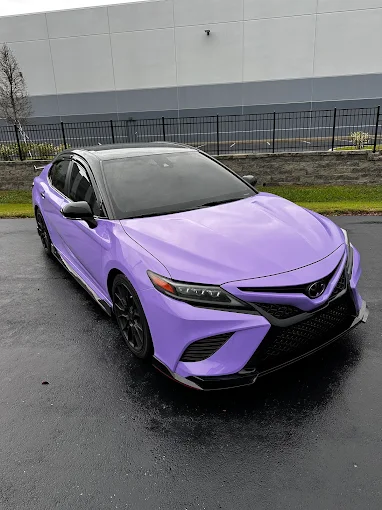
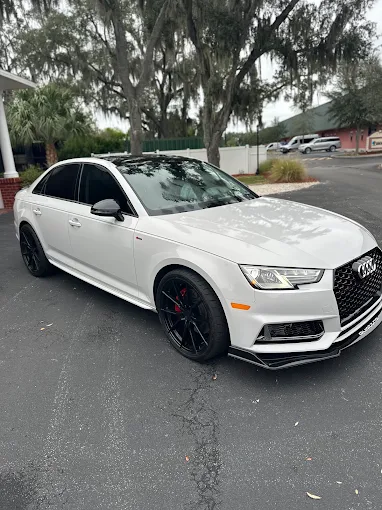
Florida law establishes distinct rules based on vehicle classification. Passenger cars—including sedans, coupes, hatchbacks, and station wagons—must adhere to the following specific VLT thresholds under Florida Statute § 316.2953 and § 316.2954:
Windshield: Non-reflective window film is legally permitted along the top of the windshield above the manufacturer's AS-1 line. If no AS-1 line is visible, the tint strip may not extend more than 5 inches down from the top edge of the glass.
Front Side Windows (Driver & Front Passenger): The film and glass combined must allow a minimum of 28% Visible Light Transmission (28% VLT).
Rear Side Windows (Back Passengers): The film and glass combined must allow a minimum of 15% Visible Light Transmission (15% VLT).
Rear Windshield (Back Glass): The rear window must allow a minimum of 15% Visible Light Transmission (15% VLT). If the rear window is tinted, the vehicle must be equipped with dual side-view exterior mirrors.
Legal Tint Darkness Limits for Multi-Purpose Vehicles (SUVs, Trucks, Vans)
Under Florida law, multi-purpose passenger vehicles (MPVs)—which include sport utility vehicles (SUVs), pickup trucks, passenger vans, and commercial minibuses—are granted different legal tint allowances for rear passenger windows.
Windshield: The rule remains identical to passenger sedans: non-reflective tint is permitted above the manufacturer's AS-1 line (or the top 5 inches).
Front Side Windows: Front driver and passenger windows must allow a minimum of 28% Visible Light Transmission (28% VLT), exactly the same as passenger sedans.
Rear Side Windows: Rear passenger windows on SUVs and trucks may be tinted significantly darker, down to a minimum of 6% Visible Light Transmission (6% VLT). This allows near-limo darkness for enhanced passenger privacy and cargo security.
Rear Windshield: The rear hatch glass or truck back window may also be tinted down to 6% VLT, provided dual exterior side mirrors are present on the vehicle.
Reflectivity, Colors, and Equipment Requirements
In addition to darkness limits, Florida statutes place strict regulations on window film reflectivity and visual characteristics to maintain roadway safety.
Luminous Reflectivity: Window tint cannot be excessively mirrored or reflective. Under Florida Statute § 316.2953, front side windows cannot exceed 25% luminous reflectance, and rear side windows cannot exceed 35% reflectance. High-mirror chrome films that cause blinding reflections for other motorists are strictly illegal.
Restricted Colors: Florida law prohibits window films that are amber, red, or yellow in color. These restricted colors can mimic emergency vehicle warning lights or alter the driver's perception of traffic signals.
Dual Side Mirrors: Under Florida Statute § 316.2954, if any window behind the driver is tinted with aftermarket film, the vehicle must have operating exterior side-view mirrors on both the left and right sides.
Manufacturer Certification: Quality window films installed in Florida must comply with state standards, and reputable installation shops provide documentation certifying statutory compliance.
Florida Medical Exemptions for Darker Window Tint
For drivers who suffer from medical conditions characterized by severe photosensitivity or sunlight intolerance, Florida offers legal medical exemptions that permit darker tint than standard statutory limits.
Under Florida Statute § 316.29545, individuals with conditions such as lupus, porphyria, severe albinism, xeroderma pigmentosum, or vitiligo may apply for a medical exemption certificate from the Florida Department of Highway Safety and Motor Vehicles (FLHSMV).
To obtain an exemption, the motorist must submit Form HSMV 83390 completed and signed by a licensed Florida physician certifying that darker window film is medically necessary.
Once approved, the FLHSMV issues a certificate that must be kept in the vehicle at all times and presented to law enforcement officers upon request during traffic stops. The exemption applies to the specific individual and authorized vehicles.
Penalties for Illegal Window Tint and Digital Meter Testing
Operating a vehicle with illegal window tint in Florida carries tangible legal and financial consequences.
Law enforcement agencies across Florida—including the Florida Highway Patrol, county sheriff deputies, and municipal police—routinely carry calibrated two-piece digital tint meters in patrol cruisers. These meters slide over your window glass to deliver an instant, legally admissible VLT percentage reading.
Driving with illegal window tint is classified as a non-criminal moving traffic violation under Florida law. Citations typically carry civil penalties and fines ranging from $115 to $165+ per ticket.
In addition to financial fines, courts can issue a "fix-it" order requiring the vehicle owner to strip the illegal film and present the vehicle for re-inspection, incurring unnecessary film removal and re-installation expenses.
How SS Wraps & Tints Guarantees 100% Florida Compliance
At SS Wraps & Tints, we believe you should never have to choose between maximum solar cooling and legal peace of mind. Our certified installation specialists ensure your vehicle achieves world-class heat rejection while remaining strictly within Florida legal limits.
We utilize advanced digital plotting systems and carry a full spectrum of high-performance nano-ceramic films, including legal 30% front side films and ultra-high-clarity 70% or 80% windshield films that block up to 95% of infrared heat while remaining visually clear and fully compliant.
Before any vehicle leaves our installation bay, our technicians verify each window using certified digital tint meters, ensuring that your net VLT falls well within state safety guidelines.
With our legal ceramic tint installations, you enjoy total driving comfort, privacy, and UV protection without ever having to worry about Florida traffic citations.
Contact Us Today
Have questions or need emergency service? Reach out to our dedicated team anytime.
SS WRAPS & TINTS
Fast, dependable support and honest pricing across our service area.
Frequently Asked Questions
Find clear, helpful answers to common questions regarding our process, pricing, equipment, and satisfaction guarantee.
What is the legal tint limit for front door windows in Florida?
Can I legally tint my full front windshield in Florida?
How dark can the back windows be on an SUV in Florida?
How do police officers test window tint in Florida?
Is 20% window tint legal on front windows in Florida?
How can I qualify for a medical window tint exemption in Florida?
Related Articles
How much does Window Tinting cost in Westchase?
How Much Does Window Tinting Cost in Westchase, FL? Pricing Guide
Read Article →How much does Paint Protection Film cost?
How Much Does Paint Protection Film (PPF) Cost? Pricing Guide
Read Article →Auto Wraps in Oldsmar, FL
Auto Wraps in Oldsmar, FL | Vinyl Color Change & Commercial Fleet Graphics
Read Article →