Ceramic Coating in Dearborn Heights, MI for Ford

Ford trucks, SUVs, and performance vehicles are engineered to tackle demanding work schedules, daily family commuting, and rugged weekend adventures. Driving an F-150, Bronco, Explorer, or Mustang across Dearborn Heights, MI exposes exterior bodywork to relentless environmental contaminants. From industrial airborne fallout and summer construction dust in Metro Detroit to corrosive road salt and winter slush throughout Dearborn Heights, MI winters, painted surfaces endure continuous wear.
Factory clear coats on trucks and family SUVs are frequently subjected to harsh conditions that lead to premature oxidation, chemical etching, and clear coat dulling. Traditional waxes and store-bought synthetic sealants degrade quickly under these extreme conditions, washing away after only a few weeks of exposure.
TintedAF provides dedicated Ceramic Coating in Dearborn Heights, MI for Ford vehicles from modern restyling studios in Dearborn Heights and Sterling Heights. Utilizing precision multi-stage paint correction and advanced silicon dioxide coatings, every Ford receives rugged, multi-year hydrophobic defense and showroom-quality optical gloss.
Table of Contents
Jump directly to any section of this comprehensive service guide.
Chemical Defense Against Winter Road Salt and Brine
Winter commuting across Southeastern Dearborn Heights, MI involves navigating expressways heavily treated with sodium chloride rock salt, sand grit, and liquid calcium chloride brines.
When road salt mixes with moisture on unprotected paint, it forms an alkaline solution that accelerates clear coat degradation and induces micro-pitting.
A professionally applied Ceramic Coating in Dearborn Heights, MI for Ford trucks and SUVs creates an impermeable chemical shield that prevents winter road salts and corrosive brines from contacting the factory clear coat.
The intense hydrophobic properties allow frozen slush, road grime, and salt residue to rinse away easily with a simple touchless wash or gentle pressure rinse.
Enhancing Paint Depth Across the Ford Lineup
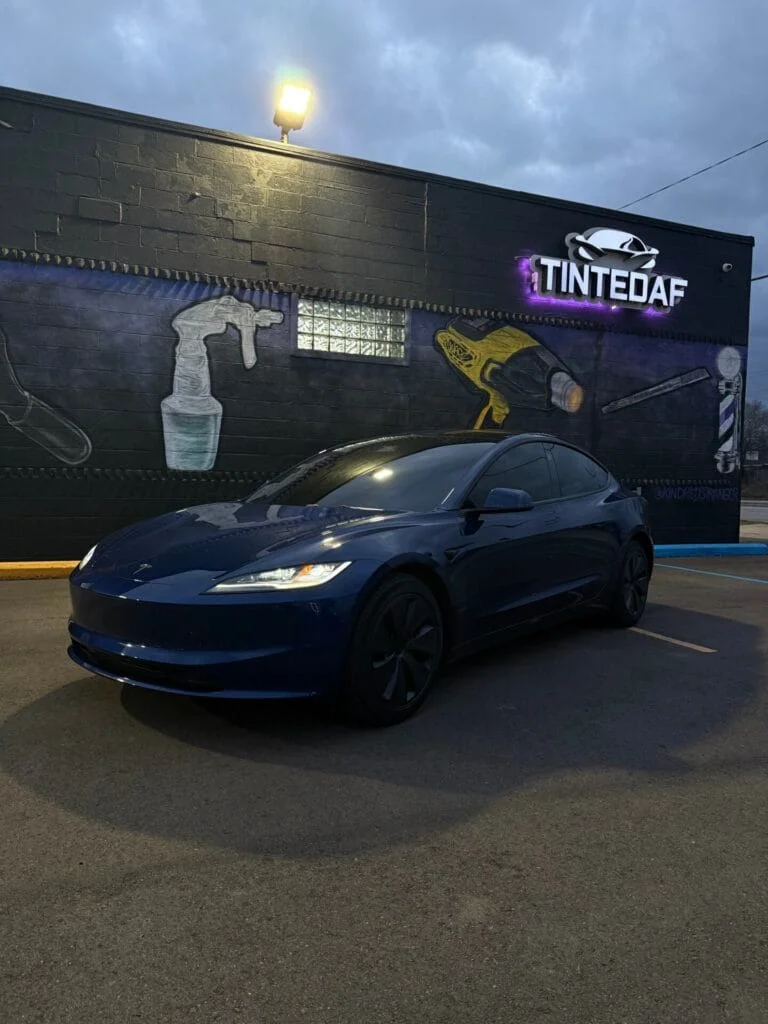
Ford offers a wide range of attractive exterior colors, including deep metallic options like Antimatter Blue, Rapid Red, and Carbonized Gray. These modern paint systems feature intricate metallic flakes that come alive under natural sunlight.
Ceramic coatings act as an optical magnifying layer over the clear coat, enhancing light refraction and maximizing the three-dimensional depth of metallic flakes.
The ultra-smooth surface eliminates the microscopic light scattering caused by clear coat imperfections, producing crisp, mirror-like reflections across Ford sculpted body contours.
For truck owners who demand a clean, professional appearance on job sites and client meetings, ceramic coating keeps the vehicle looking freshly detailed with minimal washing effort.
The Critical Role of Surface Decontamination and Paint Correction
Achieving flawless ceramic coating results requires meticulous preparation of the Ford clear coat. Trucks and SUVs driven daily accumulate substantial road grime, iron rail dust, and wash swirl marks that must be removed before coating.
Technicians perform a comprehensive multi-stage mechanical decontamination using fine clay bars to extract embedded rail dust, industrial fallout, and mineral deposits from the paint.
- 1Thorough foam wash and iron-dissolving chemical decontamination to strip surface contaminants.
- 2Mechanical clay bar treatment across every painted panel to eliminate embedded grit.
- 3Machine compounding and dual-action polishing to remove swirl marks, haze, and scratches.
- 4Alcohol-based solvent wipe down to remove all polishing oils, leaving a bare, sterile surface.
Once the clear coat is polished to a flawless mirror finish, the ceramic coating is applied, locking in pure optical clarity and maximizing long-term chemical bonding.
The Multi-Step Ceramic Coating Application Process
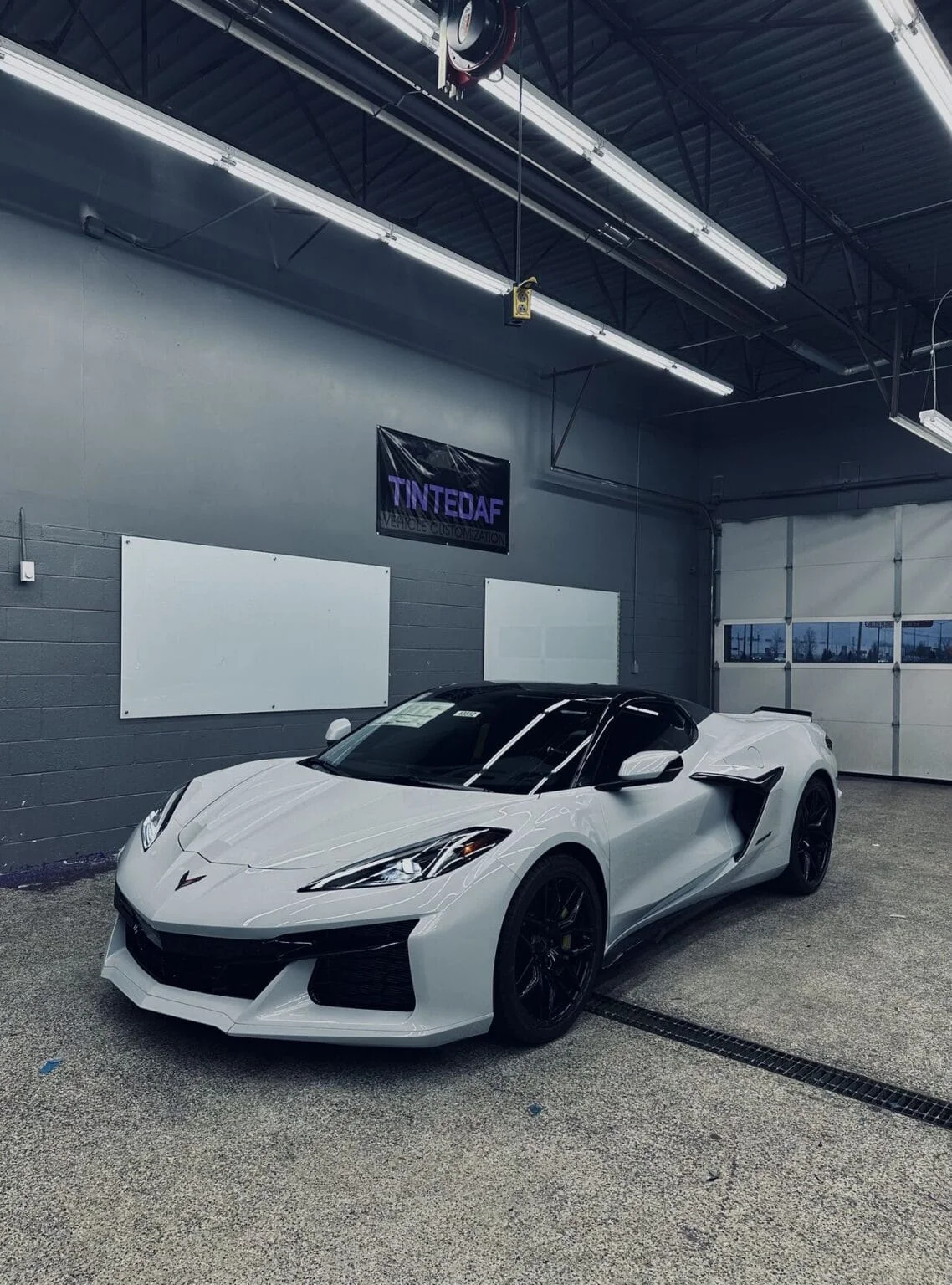
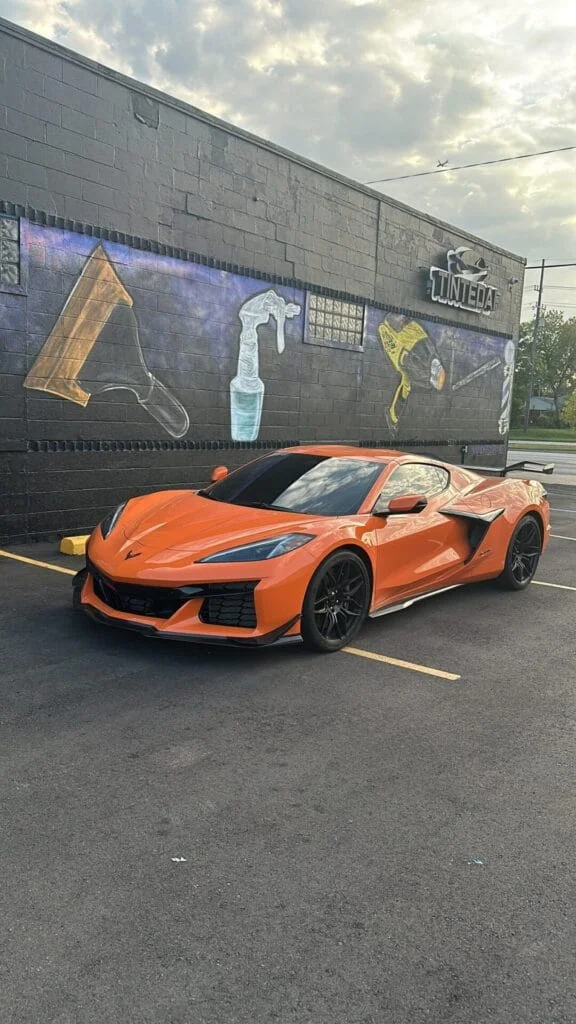
Applying a professional ceramic coating requires a controlled indoor environment where temperature, humidity, and airborne dust levels are strictly regulated. Installers work panel by panel to ensure uniform coverage and flash timing.
The coating is transferred onto a lint-free suede applicator block and applied in cross-hatch overlapping patterns across individual body sections.
- 1Controlled indoor temperature and humidity regulation inside clean application bays.
- 2Methodical cross-hatch liquid application using specialized microfiber applicator pads.
- 3Precise observation of the coating flash point as carrier solvents evaporate.
- 4Dual-towel leveling and buffing using plush microfiber cloths to eliminate high spots.
Following application, the vehicle remains parked inside a climate-controlled curing bay for twelve to twenty-four hours to allow the ceramic lattice to harden before exposure to outdoor moisture.
Hydrophobic Properties and Simplified Truck Washing
The defining characteristic of a high-performance ceramic coating is its extreme hydrophobicity, measured by a high water contact angle. Water droplets bead into tight, spherical shapes that roll effortlessly across treated panels.
As water beads roll off the vehicle, they capture and carry away loose dust, road grime, and pollen in a self-cleaning mechanism.
This surface tension substantially reduces the effort required to wash the vehicle, eliminating the need for aggressive scrubbing that causes wash swirls.
Routine maintenance becomes significantly faster and safer, allowing vehicle owners to restore a clean, glossy appearance with simple two-bucket hand washing or touchless pressure rinsing.
Coating Textured Plastics and Exterior Trim
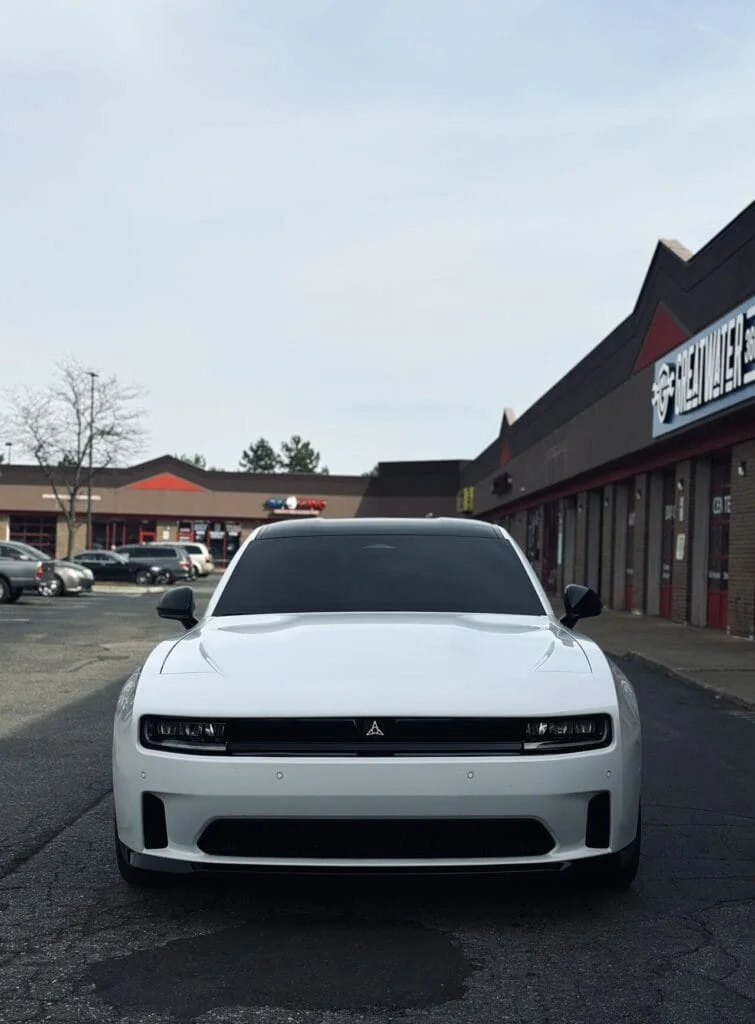
Many Ford trucks and SUVs, especially the Bronco and Explorer, feature extensive black plastic exterior trim panels, bumper accents, and fender flares that are prone to fading from sun exposure.
Applying dedicated ceramic trim coatings to these unpainted surfaces prevents UV oxidation, restoring a rich, dark satin appearance that lasts for years.
Coated plastics become hydrophobic and chemical-resistant, preventing unsightly white wax stains and protecting against discoloration from road de-icers.
Treating both painted body panels and textured exterior plastics provides complete, cohesive exterior defense across the entire vehicle.
Ford Ceramic Maintenance and Curing Guidelines
Proper post-application care ensures that the ceramic coating reaches its maximum hardness and maintains its brilliant gloss and hydrophobic properties over years of driving.
The coating requires a seven-day curing period to reach complete chemical stability. During this first week, the vehicle should not be washed with car wash soaps or exposed to harsh cleaning chemicals.
- 1Keep the vehicle dry and avoid detergent washing for the first seven days post-application.
- 2Wash regularly using the two-bucket wash method with pH-neutral automotive shampoo.
- 3Never use automatic brush car washes, which can mar the coating with swirl scratches.
- 4Use soft microfiber drying towels or warm air blowers to dry the vehicle without friction.
Applying a ceramic booster spray every three to four months replenishes the sacrificial top layer, keeping the surface slick and ensuring water continues to bead aggressively.
Contact Us Today
Have questions or need emergency service? Reach out to our dedicated team anytime.
TINTEDAF
Fast, dependable support and honest pricing across our service area.
Frequently Asked Questions
Find clear, helpful answers to common questions regarding our process, pricing, equipment, and satisfaction guarantee.