Window Tinting service cost in Concord, NC
When evaluating vehicle upgrades, understanding Window Tinting service cost in Concord, NC is essential for making an informed, cost-effective investment. Automotive tint pricing varies across the local market based on film technology, vehicle size, glass complexity, and the degree of craftsmanship involved. Exploring the key factors that drive window tint pricing ensures you select the optimal balance of heat rejection, longevity, and overall value.
Basic dyed polyester films sit at the entry-level price tier, offering basic shade darkening and privacy but providing minimal defense against radiant infrared heat. In contrast, mid-tier carbon films and top-tier nano-ceramic films command a higher initial investment but deliver vastly superior heat rejection and lifetime color stability. Ceramic films utilize microscopic ceramic particles that block up to 90% or more of infrared heat without interfering with electronic signals, making them the preferred choice for modern vehicles.
Vehicle body styles also significantly impact final pricing, as tinting a four-door sedan requires less material and labor than a large SUV with third-row quarter glass or an oversized panoramic roof. Additionally, vehicles requiring the removal of old, degraded, or bubbling purple tint will incur supplementary labor fees for safe adhesive cleaning. Consulting with experienced local tint specialists ensures transparent estimates and an installation tailored precisely to your driving needs.
Table of Contents
Jump directly to any section of this comprehensive service guide.
Material Breakdown: Dyed, Carbon, and Nano-Ceramic Film Pricing
When researching Window Tinting service cost in Concord, NC, understanding the material composition of automotive films is essential for evaluating quotes. The automotive window film market is divided into three primary technological tiers: dyed polyester, carbon film, and nano-ceramic film. Each material category delivers distinct levels of heat rejection, longevity, and visual performance that directly dictate price points.
Dyed polyester films sit at the entry-level price tier, making them the most budget-friendly option for drivers seeking basic cosmetic shading and glare reduction. Dyed films utilize organic colorants to absorb visible light, giving glass a darkened appearance. However, dyed films provide negligible resistance against radiant infrared heat and tend to degrade, fade, or turn purple within two to four years under hot Carolina sun.
Mid-tier carbon films represent a significant step up in durability and performance, commanding a moderate price increase over dyed films. Carbon films incorporate microscopic carbon particles within the laminate that do not fade or break down under UV exposure, providing lifetime color stability and a rich matte-black appearance. While carbon films deliver respectable solar energy rejection, their heat blocking capability is surpassed by ceramic technologies.
Top-tier nano-ceramic films represent the highest investment tier, delivering premium performance and advanced thermal technology. Utilizing non-conductive ceramic nanoparticles, ceramic films reject up to 90% or more of invisible infrared heat while maintaining crystal-clear optical transparency. Because ceramic films contain zero dye and zero metal, they provide lifetime durability without interfering with modern electronic signals, making them the most cost-effective long-term investment.
Vehicle Complexity and Glass Architecture as Cost Determinants
Beyond film material grades, the specific body style and glass architecture of your vehicle are major factors influencing window tinting service costs. Automotive tint pricing is directly tied to the total surface area of glass, the number of individual window panels, and the degree of labor required to achieve a flawless installation. Understanding these structural variables clarifies why quotes differ between vehicles.
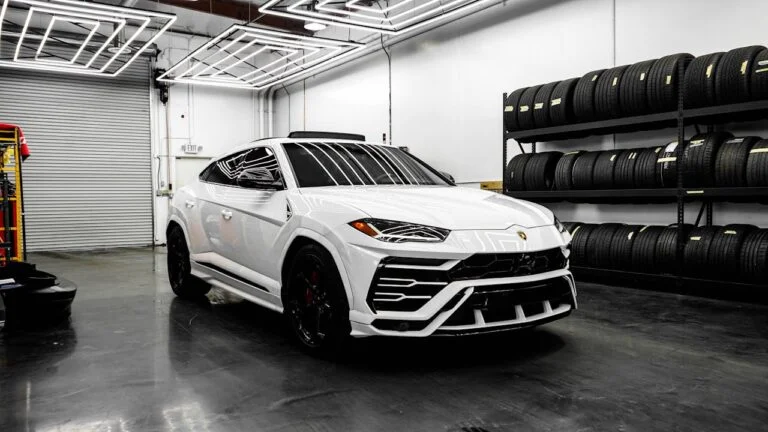
A standard two-door coupe or four-door sedan generally represents the baseline pricing tier because it features manageable glass dimensions and standard roll-down door mechanisms. In contrast, larger SUVs, crossover vehicles, and minivans feature significantly more glass surface area, including third-row cargo windows, extended quarter glass, and large rear liftgates. The additional film material and installation labor required for large multi-passenger vehicles naturally increases the overall service cost.
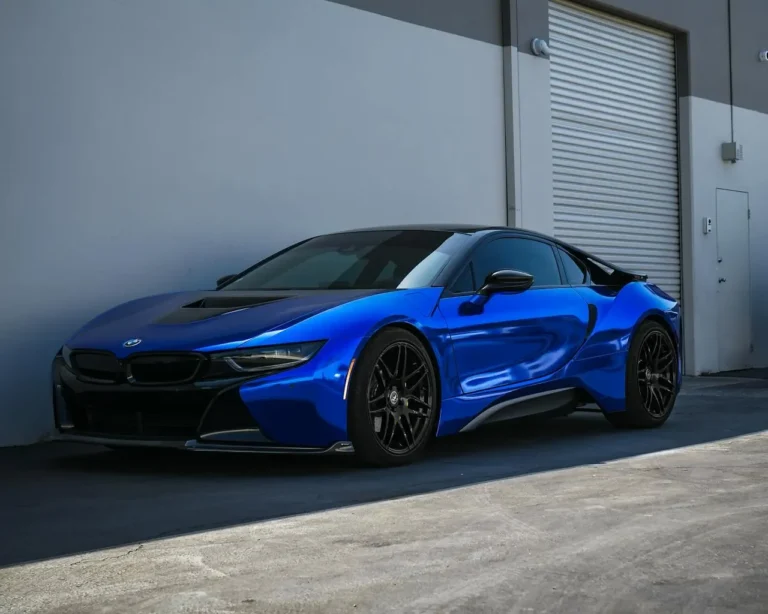
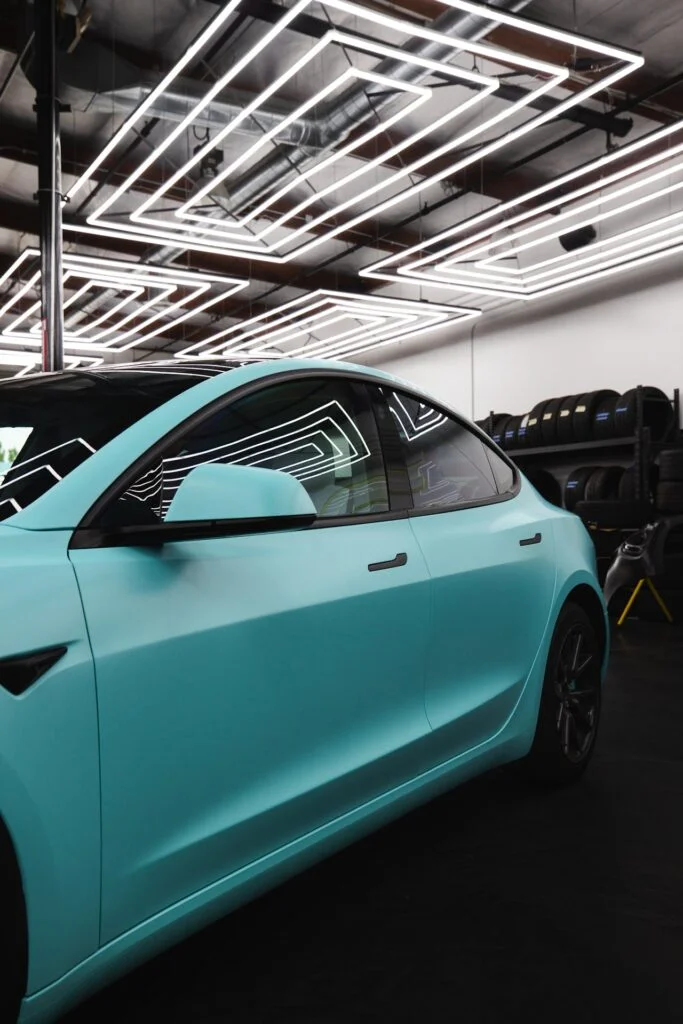
Certain vehicles also feature complex glass curvature and specialized engineering that demand extra time and advanced installation expertise. For example, sports cars with steep, compound-curved rear windows require extensive heat-shrinking to conform the film to the glass without creases. Furthermore, electric vehicles with expansive panoramic glass roofs or oversized one-piece rear windows require specialized large-format film rolls and two-technician installation teams.
Finally, if a vehicle has old, deteriorating, or bubbling purple tint that must be replaced, professional tint removal will add to the total cost. Removing degraded film and scraping away stubborn hardened adhesive without damaging delicate defroster grid lines requires specialized steamers, chemical removers, and intensive manual labor. Transparent tint shops provide itemized estimates that account for both material quality and vehicle-specific labor requirements.
Step-by-Step Estimating and Installation Process
Investing in automotive window tinting in Concord begins with a transparent estimating process followed by disciplined cleanroom installation. Understanding what happens at each stage of the service ensures you receive high-quality craftsmanship, fair pricing, and long-lasting performance. Professional tint shops follow a structured four-step workflow to deliver a seamless customer experience.
- 1Consultation and Glass Assessment: Technicians inspect your vehicle's glass, assess existing tint condition, discuss driving habits and privacy preferences, and provide a clear, itemized quote based on film technology and glass count.
- 2Computerized Plotter Pattern Cutting: Automotive film is precision-cut using digital cutting plotters loaded with vehicle-specific CAD templates, ensuring exact fitment without using razor blades directly on vehicle glass.
- 3Exterior Thermal Heat Shrinking: The plotted film is placed on the exterior curve of the glass and carefully contoured using controlled heat guns, relaxing the polyester to conform perfectly to compound curvature before interior placement.
- 4Interior Placement and Moisture Evacuation: Technicians spray purified slip solution, position the pre-formed film, and systematically squeegee out all mounting moisture using calibrated pressure tools while shielding interior electronics.
During the consultation, technicians use digital light meters to demonstrate different film darkness levels (VLT percentages) and sample heat lamps to demonstrate real-time infrared heat rejection. This allows vehicle owners to experience the thermal difference between dyed, carbon, and ceramic films firsthand before making a decision.
After final squeegee passes, technicians conduct a multi-point perimeter inspection under high-intensity inspection lighting. Heat guns are used to seal border edges and ensure that frameless windows seat cleanly into weatherstripping without lifting. Strict installation protocols ensure your vehicle receives unmatched thermal protection and flawless visual appeal.
Long-Term Value: High-Grade Ceramic Versus Repeated Low-End Tinting
When comparing window tint quotes in Concord, looking beyond the initial purchase price to evaluate the total cost of ownership reveals significant financial differences between film classes. While budget-friendly dyed films carry a lower upfront price tag, their tendency to degrade rapidly makes them far more expensive over the life of the vehicle. Understanding long-term value helps drivers make a smarter, more economical investment.
Entry-level dyed polyester films rely on organic color dyes that break down quickly under intense ultraviolet radiation and summer heat. Within two to four years, dyed films frequently fade, turn an unsightly purple color, or develop bubbling adhesive failure that obscures rear vision. Once a film bubbles or discolors, it must be removed and replaced to maintain vehicle aesthetics and safety.
Professional tint removal is a labor-intensive process that requires specialized steamers, chemical solvents, and careful scraping to strip away hardened adhesive without damaging delicate rear window defroster lines. The combined cost of removing degraded tint and reinstalling new film often exceeds the cost of having chosen high-grade ceramic film in the first place. Low-end tint frequently results in paying twice for the same service.
In contrast, premium nano-ceramic films utilize inorganic, non-conductive ceramic nanoparticles that never fade, discolor, or oxidize over time. Backed by comprehensive manufacturer warranties against bubbling, peeling, and color change, ceramic film provides lifetime durability in a single professional installation. Investing in high-grade ceramic window tint delivers superior heat rejection and permanent peace of mind, maximizing overall vehicle value.
Piedmont Climate Demands and Long-Term Value Assessment
When evaluating window tinting service cost in Concord, NC, understanding the relationship between local climate demands and film longevity is essential for making a wise financial decision. Cabarrus County experiences intense summer heat waves, high humidity, and powerful ultraviolet radiation that rapidly degrade inferior automotive films. Factoring in regional climate conditions clarifies why investing in high-grade film pays dividends over time.
Entry-level dyed films break down quickly under intense southern sunlight, typically fading or turning purple within two to four years. Once a film discolors or begins bubbling, it loses all aesthetic appeal and optical clarity, requiring costly removal and replacement. When the cost of removal and re-tinting is factored in, budget tinting often ends up costing more than choosing high-grade ceramic film from the start.
In contrast, premium nano-ceramic films utilize inorganic ceramic nanoparticles that never fade, discolor, or oxidize over time. Ceramic films maintain their high infrared heat rejection and crystal-clear optical transparency for the entire lifespan of the vehicle. Backed by comprehensive manufacturer lifetime warranties against bubbling, peeling, and color change, ceramic film provides permanent peace of mind in a single installation.
Furthermore, high-performance ceramic tint lowers cabin temperatures, reducing the continuous load placed on your vehicle's air conditioning system. Lower AC compressor usage improves fuel economy in conventional vehicles and preserves battery driving range in electric vehicles. Factoring in energy savings and long-term durability proves that high-grade ceramic tint delivers the lowest total cost of ownership.
Maintenance Protocols and Preserving Your Tint Investment
Protecting your window tint investment in Concord requires adopting simple, non-abrasive cleaning routines that preserve the film's optical clarity and scratch-resistant hard coat. Modern automotive films are engineered for extreme durability, but following proper maintenance practices prevents accidental damage and ensures long-lasting performance. Vehicle owners should follow disciplined cleaning habits.
The most critical maintenance rule is strictly avoiding glass cleaners that contain ammonia or abrasive chemical solvents. Ammonia chemically attacks polyester laminates, causing the film to discolor, turn purple, and become brittle over time. Always select dedicated ammonia-free automotive glass cleaners or use a gentle mixture of distilled water and mild baby shampoo.
When wiping tinted glass, exclusively use clean, plush microfiber towels. Paper towels, coarse shop rags, and facial tissues contain abrasive wood pulp fibers that can leave fine micro-scratches across the film's protective surface. Using two separate microfiber towels—one slightly damp to dissolve dirt and a dry one to buff away moisture—prevents streaking and lint buildup.
Finally, exercise care when loading sharp cargo, sporting gear, or metal luggage into the vehicle. Accidental gouges from seatbelt buckles or cargo edges can slice through automotive film, creating tears that cannot be patched invisibly. Practicing mindful cargo handling and using gentle cleaning products ensures your window tint remains pristine for years to come.
Preserving Vehicle Equity, Interior Condition, and Resale Appeal
Investing in quality automotive window tint delivers substantial long-term practical and financial benefits that extend far beyond immediate cabin cooling. Preserving factory interior condition directly impacts resale value and trade-in appraisals when the time comes to sell or upgrade. In the hot Carolina climate, prospective used car buyers actively seek vehicles with clean, unblemished interiors.
Prolonged exposure to ultraviolet radiation and radiant heat degrades automotive upholstery, causing leather to dry out, stiffen, and crack along seams. Synthetic dashboard plastics and door panels become brittle and discolored, often developing unsightly rattles or stress cracks. By blocking 99% of UV rays and the vast majority of infrared heat, ceramic tint preserves factory textures and rich color depth.
Furthermore, high-performance window tint protects expensive interior electronics, digital instrument clusters, and infotainment touchscreens from thermal stress. Extreme cabin temperatures can cause digital screens to glitch, delaminate, or suffer pixel degradation over time. Keeping the cabin cool protects sensitive microprocessors and prevents costly electronic repairs.
Ultimately, professional window tinting transforms your daily driving experience into a cooler, more private, and safer journey. Occupants enjoy consistent thermal comfort, reduced glare fatigue, and peace of mind knowing the vehicle's interior is shielded from solar deterioration. High-quality window film represents one of the most rewarding and practical investments you can make in your vehicle.
Contact Us Today
Have questions or need emergency service? Reach out to our dedicated team anytime.
Infinite Auto Works
Fast, dependable support and honest pricing across our service area.
Frequently Asked Questions
Find clear, helpful answers to common questions regarding our process, pricing, equipment, and satisfaction guarantee.
Frequently Asked Questions
Related Articles
Porsche Window Tinting in Concord, NC
Porsche Window Tinting in Concord, NC | Precision Ceramic Film
Read Article →Rivian Window Tinting in Concord, NC
Rivian Window Tinting in Concord, NC | R1T & R1S Ceramic Tint
Read Article →BMW Window Tinting in Concord, NC
BMW Window Tinting in Concord, NC | Luxury Ceramic Film
Read Article →