Local Boiler Engineers: How Maintenance Contracts Work
Boilers rarely fail at a convenient moment. It is usually a frosty evening, the family is home, and the radiators cool to the touch while the pressure gauge sulks at zero. That is the scene many local boiler engineers walk into, and it is why maintenance contracts exist. A well-structured plan turns last‑minute scrambles into predictable care, reduces breakdown risk, and, when things do go wrong, shortens the road back to hot water and steady heat.
I have managed teams that deliver thousands of services a year and spent more time than I care to admit in lofts with cobwebs, airing cupboards that barely fit a wrench, and kitchens where a boiler hides behind a designer door with 2 millimetres of clearance. A maintenance contract is not paperwork for its own sake. It is a working agreement that sets expectations, protects budgets, and keeps your gas appliance compliant with safety rules. Let’s break down how these contracts work, how to compare them, what happens on the day, and what to check before you sign.
What a boiler maintenance contract really covers
The core of most plans is an annual service. That service is not a quick look and a signature. A Gas Safe boiler engineer will complete safety checks, performance tests, and cleaning that prevent failures and detect issues early. In practice, a thorough service on a typical gas combi takes 45 to 90 minutes, depending on accessibility, manufacturer design, and the age of the system.
On top of the service, a contract can include priority callouts, parts and labour for repairs, and sometimes extended cover for system components like pumps, valves, and thermostats. Better plans are explicit. They state what is included, what requires an extra charge, what counts as wear and tear, and the response windows for local emergency boiler repair.
You will also see tiers. A basic plan may offer the annual service and legally required safety checks, with discounts on repairs. A standard plan folds in labour on breakdowns but caps parts costs. A comprehensive plan often includes parts and labour for boiler repair, plus cover for ancillary items such as motorised valves or room stats. Some premium offerings go further by including the hot water cylinder and external controls. The trick is choosing a level that matches the boiler’s age, the system’s complexity, and your appetite for surprise bills.
How local boiler engineers execute the annual service
Maintenance contract or not, the annual service follows a consistent workflow shaped by manufacturer guidance and Gas Safe standards. The steps below describe what a good engineer actually does and why each step matters.
Arrival and setup. The engineer confirms the model and serial, checks access, isolates electrical power, and ensures the gas supply is sound. This is also when the conversation happens about any recent faults, noises, or pressure losses. Homeowners tend to gloss over “occasional” top‑ups or a once‑a‑week reset. Those are clues to leaks, failing sensors, or a flue issue. If you have noticed anything odd, say it at the start.
Visual inspection and flue integrity. The flue must be continuous, correctly supported, and terminated safely outside. Engineers look for staining, signs of water ingress, and missing seals. A cracked flue can spill combustion products indoors, including carbon monoxide. Expect the engineer to check any flue joints hidden in cupboards or boxing, and to refuse sign‑off if the flue is unsafe or inaccessible.
Combustion and safety device checks. Using a calibrated gas analyser, the engineer measures flue gases to verify combustion efficiency and correct gas‑air mixture. They test flame supervision devices, overheat stats, and any pressure relief valves. These are the parts that prevent a bad day from becoming a dangerous day. If readings are out of range, adjustments or part replacements follow.
Cleaning and mechanical care. On condensing boilers, the condensate trap and sump get cleaned. Heat exchangers are checked for debris build‑up. Magnetic filters get emptied and rinsed. A modest amount of sludge is normal, but a dense, dark paste tells its own story about corrosion and water quality. Fans, electrodes, and seals receive attention as needed. Well‑maintained seals protect the controlled combustion chamber that modern boilers rely on.
System‑side checks. Pressure is set to the manufacturer’s spec, typically around 1.0 to 1.5 bar when cold. For sealed systems, the engineer will check expansion vessel pre‑charge. A flat vessel often shows up as a pressure rise to 3 bar when hot, then a sharp fall back to near zero when cold. Catching this early saves a lot of nuisance lockouts. Radiator bleed points, balancing, and any motorised valves are inspected where the plan includes system cover.
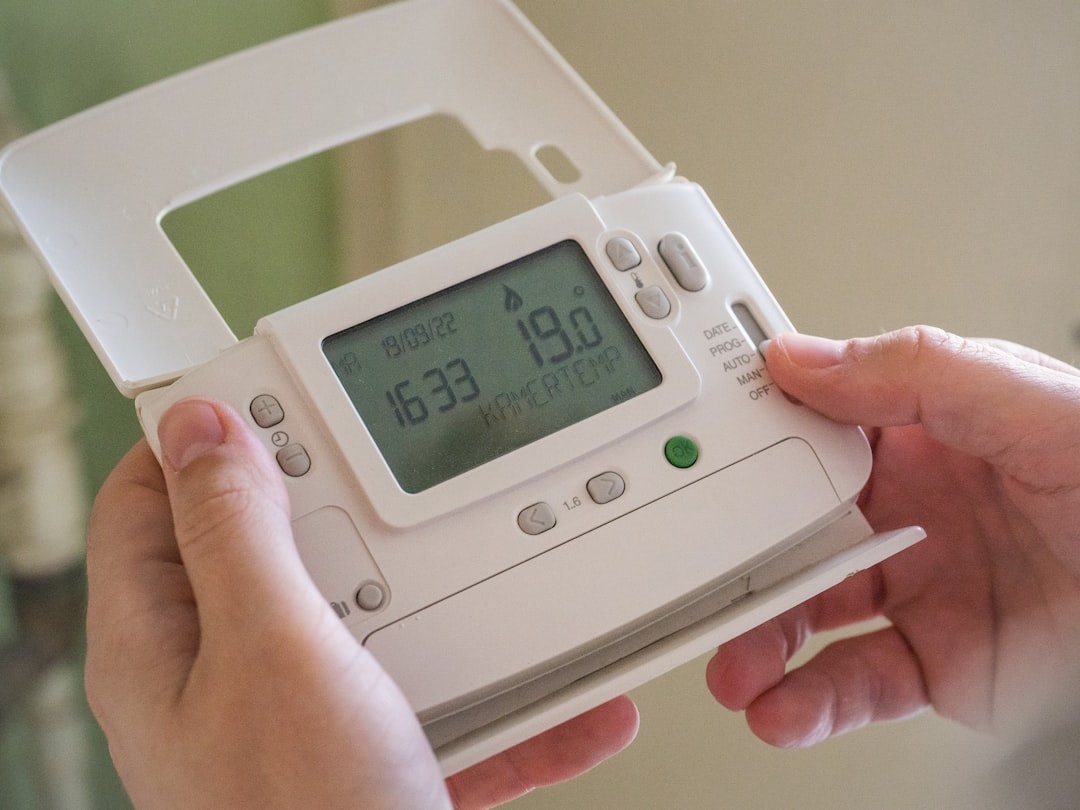
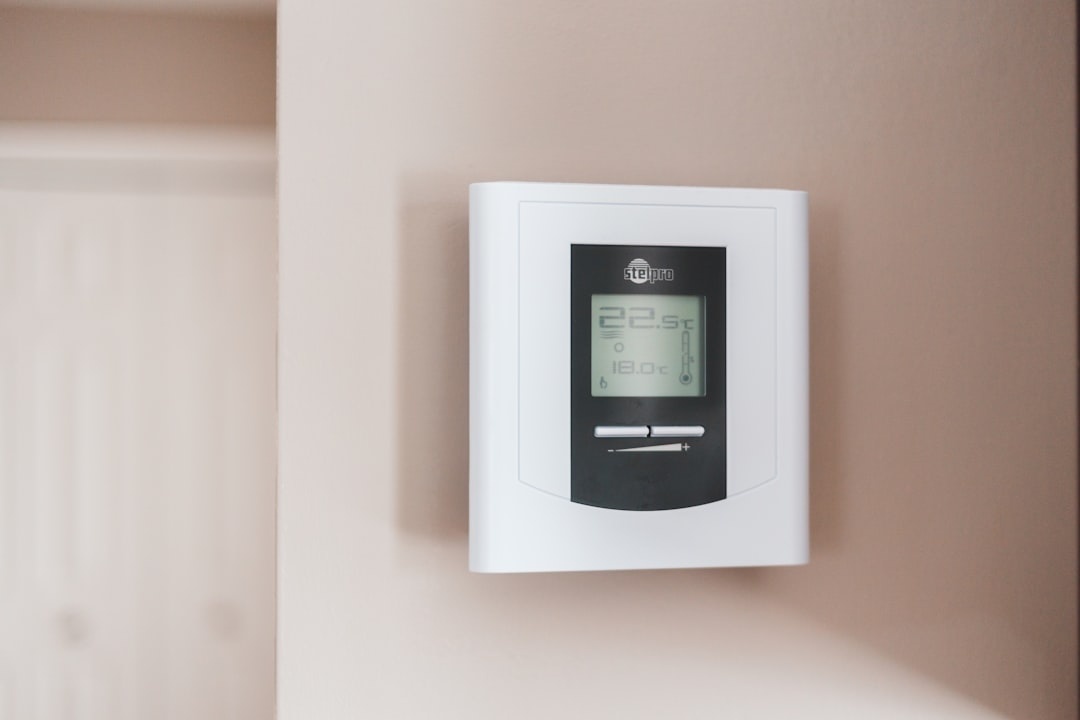
Controls and efficiency. Thermostats, programmers, and smart controls are tested. Many callouts trace back to a schedule accidentally set to “holiday” or a flaky wireless link rather than a failed boiler part. Engineers also review flow temperatures. Simple changes like running a condensing boiler at 60 to 65 degrees rather than a constant 75 can cut gas usage while preserving comfort in a well‑sized system.
Documentation and advice. At the end, you should receive a service record with readings, parts replaced, and advisory notes. If the property is rented, a Gas Safety Record is required annually. This is not an optional nicety. It is a legal obligation for landlords, and insurance can rely on it after a claim.
What a contract changes during a breakdown
A maintenance plan shines when you hit trouble. Without cover, a weekday boiler repair usually involves a standard callout fee, then hourly rates and parts at retail pricing. With a plan, the mechanics alter in your favour. You ring a dedicated line, the job gets triaged, and depending on the contract you either pay nothing additional for that visit, or you pay a fixed excess. The service provider carries stock for common failures like electrodes, pressure sensors, diverter valves on popular models, and fans for best‑selling ranges. That stock policy matters. It is the difference between heat restored same day and a chilly night waiting for a courier.
Local teams can also compress response times. Because engineers already know your system from annual services and have records on file, diagnosis runs faster. When a plan promises same day boiler repair for calls before a set time, it typically relies on that local footprint. A national centre might use a wide network, but it does not beat a van already in Leicester with a tray of spares for your boiler’s brand.
The other change is decision‑making. If parts and labour are covered under your plan, the engineer chooses the best long‑term repair rather than the cheapest short fix. Replacing a tired pump and a scaled plate heat exchanger at the same time can stop recurring issues. Without cover, homeowners often choose the minimum, which can lead to more callouts and more downtime.
What plans rarely cover, and why the wording matters
Contracts have boundaries. Being clear about them avoids friction later.
-
Pre‑existing faults. If the boiler is already misbehaving at signup, most providers exclude that fault from cover for a defined period. Honest disclosure speeds things up and preserves trust on both sides.
-
Limescale and sludge damage. Unless water treatment is bundled and maintained, heavy scale in hard‑water areas is usually excluded. Sludge damage from corrosion is handled similarly. Many plans will cover corrective work if you agree to a system cleanse and install a filter.
-
Non‑boiler components on basic plans. Radiators, pipework leaks within walls, and separate cylinders are often outside scope unless you upgrade.
-
Access issues. If your boiler is boxed in, in a loft with no safe access, or needs scaffolding for a flue, a plan may cover the engineer’s time but not carpentry, scaffolding, or making good. Good providers tell you this in writing and propose practical fixes.
-
Out‑of‑hours response windows. “24/7” sometimes means phone lines are open, not that a technician arrives at 2 a.m. Read the promised arrival times for urgent boiler repair. Many plans offer local emergency boiler repair with guaranteed next‑day attendance, and same‑day on loss of heat or hot water for vulnerable occupants.
Clarity on these points leads to predictable outcomes. Opaque wording leads to dispute.
How pricing structures stack up
Most maintenance contracts come in at an annual fee that you can spread monthly. Price varies by geography, coverage breadth, and boiler age. In my experience across the Midlands, a basic service‑only plan tends to sit between £7 and £12 per month. Mid‑tier plans with labour on breakdowns cluster around £15 to £22 per month. Comprehensive cover that includes parts for gas boiler repair and extended system components can range from £22 to £35 per month, with older boilers at the top end. Excess or no‑excess options shift the monthly cost. A plan with a £60 excess per callout can be £3 to £6 cheaper per month than the same plan with zero excess.
There is also the self‑insure option: pay for an annual service and bank the rest. If your boiler is under 5 years old, has a manufacturer warranty that you maintain with annual services, and your system water is treated, you might spend less over a decade by bypassing comprehensive cover. Once a boiler passes its natural mid‑life, the calculus changes. Fans, diverter valves, expansion vessels, and sensors start to reach end of life. One significant breakdown can equal several years of contract payments. Your choice should reflect the age curve and the cost of surprise.
Navigating “same day” and “urgent” promises
Marketing language tempts providers and confuses buyers. “Same day boiler repair” might mean attendance the same calendar day if you call before noon, with repair dependent on parts availability. “Urgent boiler repair” often prioritises total loss of heat or hot water, gas leaks, or suspected carbon monoxide incidents. A local firm that says it offers boiler repair same day in Leicester can usually deliver that for most calls before early afternoon, shorter still in winter thanks to triage and flexible scheduling. If you hear “local emergency boiler repair,” ask the plain questions: what are the hours, what is the response time target, what counts as an emergency under the plan, and what happens if a technician cannot reach me due to weather or access?
What the engineer’s notes can tell you about risk
The best part of a maintenance contract for risk management is not the service itself, but the record of repeated advisories. Look for patterns. Three consecutive years noting low inhibitor levels suggest oxygen ingress, often from micro leaks or an open vented section that keeps introducing fresh water. Recurrent notes about condensate trap blockages may indicate a poor run with backfalls or an external pipe that needs lagging. Frequent resets tied to ignition failures point to either a damaged electrode assembly or combustion instability, a sign to address flue integrity or ventilation.
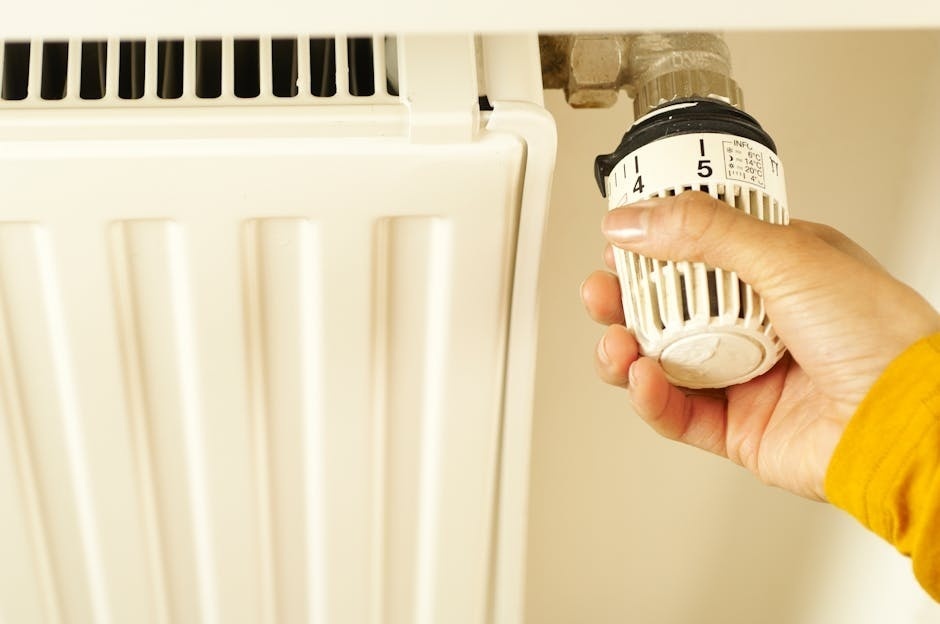
Most homeowners ignore advisories because the heat works when the engineer leaves. A better approach is to plan a targeted upgrade each year. Replace that external condensate run with a larger diameter insulated pipe. Add a magnetic filter if there is none. Fit auto vents at high points. Swap manual TRVs for ones that do not stick. That mindset turns a maintenance contract into a roadmap for steady improvement.
The Leicester angle: what local knowledge adds
Boiler repair Leicester specialists bring two advantages to maintenance contracts. First, familiarity with the local housing stock. Leicester has plenty of post‑war semis with loft conversions and a glut of late‑90s combis approaching the end of their economic life. Engineers see the same makes and models again and again, which builds diagnostic speed. When a Glow‑worm flexipipe starts sweating or a Worcester’s diverter valve loses authority, a local engineer often has the part in the van and the muscle memory to fit it without fuss.
Second, water and weather. Much of Leicestershire sits in a moderately hard water zone. Scale shortens plate heat exchanger life in combis and reduces hot‑water performance. A maintenance contract that includes descaling on service or a discounted limescale filter install fits the local condition. Winter lows that dip below freezing make external condensate and north‑facing flues a known headache. Local boiler engineers adjust routing, insulation, and support based on streets they have worked on for years. That is not romantic; it is practical reliability born of repetition.
If you need rapid help, you will find firms marketing boiler repairs Leicester, urgent boiler repair, and local emergency boiler repair with real capacity behind the words. Vet them the same way you would any provider, but give weight to those who can show stock lists, coverage maps, and sample service reports.
What happens during a breakdown visit under a plan
When the heating drops and your plan includes breakdown cover, the sequence is predictable. You call and answer triage questions: boiler make and model, error code on the display, whether you smell gas, whether the condensate pipe is outside, whether the pressure gauge is near zero, and whether you have tried a reset. The scheduler allocates a slot based on urgency. Loss of heat in winter with young children at home typically moves to the top of the queue.
The engineer arrives, reviews the service record, and starts with simple checks that solve about a quarter of callouts: low pressure, failed batteries in a wireless thermostat, tripped spur, frozen condensate. If those are clear, diagnosis follows the fault code. For no‑ignition, inspection of electrodes, gas valve operation, fan speed, and flue gas readings narrows the field. For lukewarm showers in a combi, a diverter valve that fails to travel fully or a scaled plate heat exchanger is likely. If your plan includes parts, the engineer fits the replacement immediately where van stock allows. If not, you approve the quote and, if parts are not on the van, you get a realistic return window. Well‑run firms beat the next‑day target most of the time for common parts.
Paperwork matters. You sign for the repair. The engineer updates the system notes with parts replaced and any advisories. If your plan uses an excess, you pay it now. Everything else stays within the monthly fee you have already budgeted.
Maintenance contracts and manufacturer warranties
If your boiler is under a manufacturer warranty, a maintenance contract can coexist provided you meet the warranty’s requirements. Most makers demand annual services to keep the warranty valid. They also want genuine parts and authorised procedures on warranty repairs. A plan with your installer or a local firm usually covers the service and everyday issues while warranty repairs for intrinsic manufacturing faults go through the brand’s service network. Confirm that your contract provider records services to manufacturer standards. Keep copies. If a major component fails at year 7 of a 10‑year warranty, those records are your leverage.
It is common for a plan to exclude repairs that are the manufacturer’s responsibility. That is fair. Good providers help you navigate the claim rather than leaving you to chase. Ask how they coordinate with brands for in‑warranty cases.
Edge cases that shape good contracts
A few scenarios test contract design and engineer judgment.
Back‑to‑back breakdowns. An intermittent PCB fault can pass every test in the workshop and fail under heat in service. A fair contract allows a no‑excess return if the second visit relates to the same fault within a short window. Engineers appreciate it because it aligns incentives to fix the cause rather than chase symptoms.
Unsafe installations discovered during service. If the flue is concealed without access and no inspection hatches exist, Gas Safe rules require the engineer to classify the situation, often as “at risk,” and to shut the appliance down until it is made safe. A strong contract spells out who pays for remedial works like hatches and who coordinates trades. Providers that handle minor joinery as part of the visit save weeks.
Obsolete parts. Boilers older than 15 years can have parts that are discontinued. Some plans exclude appliances above a certain age for this reason. Others accept them but with a clause that if a part is unobtainable, the plan reverts to service‑only. An honest conversation about age, parts availability, and replacement timing does more good than a blanket promise that cannot be kept.
Flooding and frost. Water ingress into the boiler, particularly from roof leaks or burst pipes, is not a failure of the boiler. It is a building issue and often pushed to home insurance. Expect your maintenance cover to exclude this. Good engineers will still isolate safely and provide a report for your insurer.
Picking a provider: what to ask and what to verify
Treat the selection like hiring a tradesperson, not buying a streaming subscription. Ask for proof of Gas Safe registration and check the engineer’s ID when they arrive. Request a sample service checklist. It should name the model, list combustion readings pre‑ and post‑service, note the expansion vessel pressure, and include flue checks. If the plan claims same day boiler repair, ask to see their local coverage and weekday cut‑off times, plus weekend policy. Clarify the van stock list for your boiler brand. A provider that works on your model every day will hold fans, electrodes, flow turbines, diverter motors, and pressure sensors on the van.
Scrutinise the exclusions, excess, and price rises. Introductory rates are common. A plan that starts at £16 per month and jumps to £24 after year one might still be fine if the service quality is high and breakdowns are included. Ask about cancellation terms. If you are mid‑repair and cancel, you may still owe the excess or the part cost.
Local reputation helps. Check reviews, but read the responses to complaints. Every firm has off days. The measure is how they recover. In Leicester and surrounding areas, some outfits specialise in fast turnarounds and clear communication. They will take pride in the phrase local boiler engineers, and it shows in punctuality and follow‑through.
How water quality and system design intersect with contracts
Most contracts do not include system cleansing by default, yet water quality drives a large share of breakdowns. If you move into a home with unknown history, consider a one‑off powerflush or, often better, a gentler chemical cleanse coupled with filter install, then maintain with annual inhibitor top‑ups. Engineers can draw a small water sample and use a magnet to show particle load. If you see large flakes or dark sludge, invest in remediation. Your contract will be more than a paper shield; it will be paired with a system that sets the boiler up for success.
System design choices also matter. Oversized boilers short‑cycle and wear fans and electrodes prematurely. Undersized boilers struggle in cold snaps, and homeowners run flow temperatures high year‑round, slashing condensing efficiency. A maintenance visit is the time to ask the engineer to review settings. Many condensing boilers save 5 to 12 percent gas simply by lowering the flow temperature and adjusting pump speed. That lowers stress and reduces the chances you call for gas boiler repair in the first place.
Safety is not negotiable, and contracts should reflect that
Every competent plan anchors to safety. Carbon monoxide alarms near sleeping areas and the boiler location, correctly sized gas pipework, functioning pressure relief to a safe discharge point, and a flue that breathes as designed. If a contract encourages or includes a discounted CO alarm fit, take it. If your engineer flags spurious flue routes or shared ventilation that undermines combustion, expect a firm stance. A provider willing to walk away from unsafe work protects you. That seriousness distinguishes a real maintenance partner from local emergency boiler repair a call centre that sells subscriptions.
When replacement beats repair, and how contracts help you decide
There is a point where persistent boiler repair bills suggest a replacement is sensible. Signs include a pattern of major component failures within a year, parts becoming obsolete, efficiency far below modern standards, and controls that cannot integrate with weather compensation or smart thermostats. If you are looking at a third callout within six months along with a fan, PCB, and diverter valve replaced on a 17‑year‑old unit, a thoughtful engineer will price a modern condensing boiler that fits your home’s heat loss.
A good maintenance contract does not lock you into repairs forever. Instead, it supports informed choices. Some providers credit a portion of your recent plan payments toward a new install they complete. Others simply provide data: callout history, parts spend, and projected failure risk based on model history. Use that data. A well‑sized A‑rated boiler with weather compensation, a clean system, and a sensible maintenance plan will run quietly and cheaply for years.
Real numbers from the field
To give a sense of scale, here are patterns I have tracked across mixed housing in the Midlands:
-
Annual service time: 60 to 75 minutes on average for wall‑hung gas combis, 90 to 120 minutes for system boilers with cylinders and multiple zones when fully inspected.
-
Breakdown frequency: under a robust maintenance regime, roughly 5 to 8 percent of boilers require one callout per year, 1 to 3 percent require two or more. Without routine service, those figures can double.
-
Common parts: electrodes and leads often fail between years 6 and 10, diverter valve service kits between years 7 and 12, fans anytime after year 8, expansion vessels around year 10 if system pressure swings were ignored.
-
Response times: a strong local team meets same‑day attendance targets for morning calls about 80 percent of the time in shoulder seasons, closer to 60 percent in the deepest winter when volume spikes. With triage prioritising total no‑heat, urgent boiler repair with same‑day attendance is still feasible most days.
-
Cost offsets: a comprehensive plan averaging £27 per month with a £0 excess typically breaks even if you have one moderate repair every 18 to 24 months. Owners with newer boilers often do better on service‑only plus pay‑as‑you‑go.
These are broad ranges, not guarantees. They help you set expectations rather than promises.
A simple owner routine that amplifies your contract’s value
Maintenance contracts do most of the heavy lifting, but owners can reduce risk between visits with a light routine.
-
Once a month during the heating season, glance at the system pressure when cold and again after heating has run. A rise above 2.5 to 3 bar hot, followed by repeated top‑ups, signals an expansion vessel issue or a leak worth addressing before winter.
-
Keep the area around the boiler clear. Engineers need access, and the boiler needs airflow according to its design. Boxing it behind sealed panels complicates even a simple service.
-
After heavy frost, check the external condensate pipe for icing. If your provider has shown you the safe thaw method, use it. If not, call for advice. Insulation and increased diameter are the long‑term fix.
-
Replace thermostat or control batteries before winter. Low‑voltage glitches cause a surprising number of no‑heat calls.
-
Book the annual service for late summer. You avoid the rush, and any advisories can be fixed before the first cold snap.
These small acts dovetail with the contract and keep minor issues from escalating into weekend emergencies.
Where boiler repair fits alongside contracts
Even with the best plan, there will be times you seek standalone boiler repair, especially if you are between providers or moving home. Look for straight talk on diagnostics, a fair callout fee that converts into labour if you approve the repair, and access to parts the same day. Keywords like boiler repair Leicester and boiler repairs Leicester populate search results, but the filter remains the same: Gas Safe credentials, clear pricing, and evidence of genuine same‑day capacity. Many local boiler engineers will offer one‑off urgent repairs and then propose a maintenance plan once the system is stable. That can be a good path, provided the plan terms match your needs.
Final thoughts shaped by the work
A boiler maintenance contract is only as good as the people behind it. Choose providers who are comfortable saying no to unsafe installs, who keep spares for your model, and who document their work with numbers rather than platitudes. Match the plan level to your boiler’s age and your tolerance for risk. Use the annual service as an opportunity to ask questions and make incremental improvements, not just to collect a signature.
If your priority is resilience, give weight to local presence. When a firm can genuinely offer same day boiler repair in your area, carry the right parts, and pick up the phone when you need them, the contract becomes more than an invoice. It becomes a relationship that keeps your home warm when the weather and the calendar conspire against you.
Local Plumber Leicester – Plumbing & Heating Experts
Covering Leicester | Oadby | Wigston | Loughborough | Market Harborough
0116 216 9098
info@localplumberleicester.co.uk
www.localplumberleicester.co.uk
Local Plumber Leicester – Subs Plumbing & Heating Ltd deliver expert boiler repair services across Leicester and Leicestershire. Our fully qualified, Gas Safe registered engineers specialise in diagnosing faults, repairing breakdowns, and restoring heating systems quickly and safely. We work with all major boiler brands and offer 24/7 emergency callouts with no hidden charges. As a trusted, family-run business, we’re known for fast response times, transparent pricing, and 5-star customer care. Free quotes available across all residential boiler repair jobs.
Service Areas: Leicester, Oadby, Wigston, Blaby, Glenfield, Braunstone, Loughborough, Market Harborough, Syston, Thurmaston, Anstey, Countesthorpe, Enderby, Narborough, Great Glen, Fleckney, Rothley, Sileby, Mountsorrel, Evington, Aylestone, Clarendon Park, Stoneygate, Hamilton, Knighton, Cosby, Houghton on the Hill, Kibworth Harcourt, Whetstone, Thorpe Astley, Bushby and surrounding areas across Leicestershire.
Google Business Profile:
View on Google Search
About Subs Plumbing on Google Maps
Knowledge Graph
Latest Updates
Follow Local Plumber Leicester:
Facebook |
Instagram

Visit @subs_plumbing_and_heating on Instagram
Gas Safe Boiler Repairs across Leicester and Leicestershire – Local Plumber Leicester (Subs Plumbing & Heating Ltd) provide expert boiler fault diagnosis, emergency breakdown response, boiler servicing, and full boiler replacements. Whether it’s a leaking system or no heating, our trusted engineers deliver fast, affordable, and fully insured repairs for all major brands. We cover homes and rental properties across Leicester, ensuring reliable heating all year round.
❓
Q. How much should a boiler repair cost?
A. The cost of a boiler repair in the United Kingdom typically ranges from £100 to £400, depending on the complexity of the issue and the type of boiler. For minor repairs, such as a faulty thermostat or pressure issue, you might pay around £100 to £200, while more significant problems like a broken heat exchanger can cost upwards of £300. Always use a Gas Safe registered engineer for compliance and safety, and get multiple quotes to ensure fair pricing.
❓
Q. What are the signs of a faulty boiler?
A. Signs of a faulty boiler include unusual noises (banging or whistling), radiators not heating properly, low water pressure, or a sudden rise in energy bills. If the pilot light keeps going out or hot water supply is inconsistent, these are also red flags. Prompt attention can prevent bigger repairs—always contact a Gas Safe registered engineer for diagnosis and service.
❓
Q. Is it cheaper to repair or replace a boiler?
A. If your boiler is over 10 years old or repairs exceed £400, replacing it may be more cost-effective. New energy-efficient models can reduce heating bills by up to 30%. Boiler replacement typically costs between £1,500 and £3,000, including installation. A Gas Safe engineer can assess your boiler’s condition and advise accordingly.
❓
Q. Should a 20 year old boiler be replaced?
A. Yes, most boilers last 10–15 years, so a 20-year-old system is likely inefficient and at higher risk of failure. Replacing it could save up to £300 annually on energy bills. Newer boilers must meet UK energy performance standards, and installation by a Gas Safe registered engineer ensures legal compliance and safety.
❓
Q. What qualifications should I look for in a boiler repair technician in Leicester?
A. A qualified boiler technician should be Gas Safe registered. Additional credentials include NVQ Level 2 or 3 in Heating and Ventilating, and manufacturer-approved training for brands like Worcester Bosch or Ideal. Always ask for reviews, proof of certification, and a written quote before proceeding with any repair.
❓
Q. How long does a typical boiler repair take in the UK?
A. Most boiler repairs take 1 to 3 hours. Simple fixes like replacing a thermostat or pump are usually quicker, while more complex faults may take longer. Expect to pay £100–£300 depending on labour and parts. Always hire a Gas Safe registered engineer for legal and safety reasons.
❓
Q. Are there any government grants available for boiler repairs in Leicester?
A. Yes, schemes like the Energy Company Obligation (ECO) may provide grants for boiler repairs or replacements for low-income households. Local councils in Leicester may also offer energy-efficiency programmes. Visit the Leicester City Council website for eligibility details and speak with a registered installer for guidance.
❓
Q. What are the most common causes of boiler breakdowns in the UK?
A. Common causes include sludge build-up, worn components like the thermocouple or diverter valve, leaks, or pressure issues. Annual servicing (£70–£100) helps prevent breakdowns and ensures the system remains safe and efficient. Always use a Gas Safe engineer for repairs and servicing.
❓
Q. How can I maintain my boiler to prevent the need for repairs?
A. Schedule annual servicing with a Gas Safe engineer, check boiler pressure regularly (should be between 1–1.5 bar), and bleed radiators as needed. Keep the area around the boiler clear and monitor for strange noises or water leaks. Regular checks extend lifespan and ensure efficient performance.
❓
Q. What safety regulations should be followed when repairing a boiler?
A. All gas work in the UK must comply with the Gas Safety (Installation and Use) Regulations 1998. Repairs should only be performed by Gas Safe registered engineers. Annual servicing is also recommended to maintain safety, costing around £80–£120. Always verify the engineer's registration before allowing any work.
Local Area Information for Leicester, Leicestershire